

“Well, This is definitely the best service I’ve ever encountered with a pool Cleaning company. Ricky was absolutely amazing. Was on time, polite and did a wonderful job. I would…

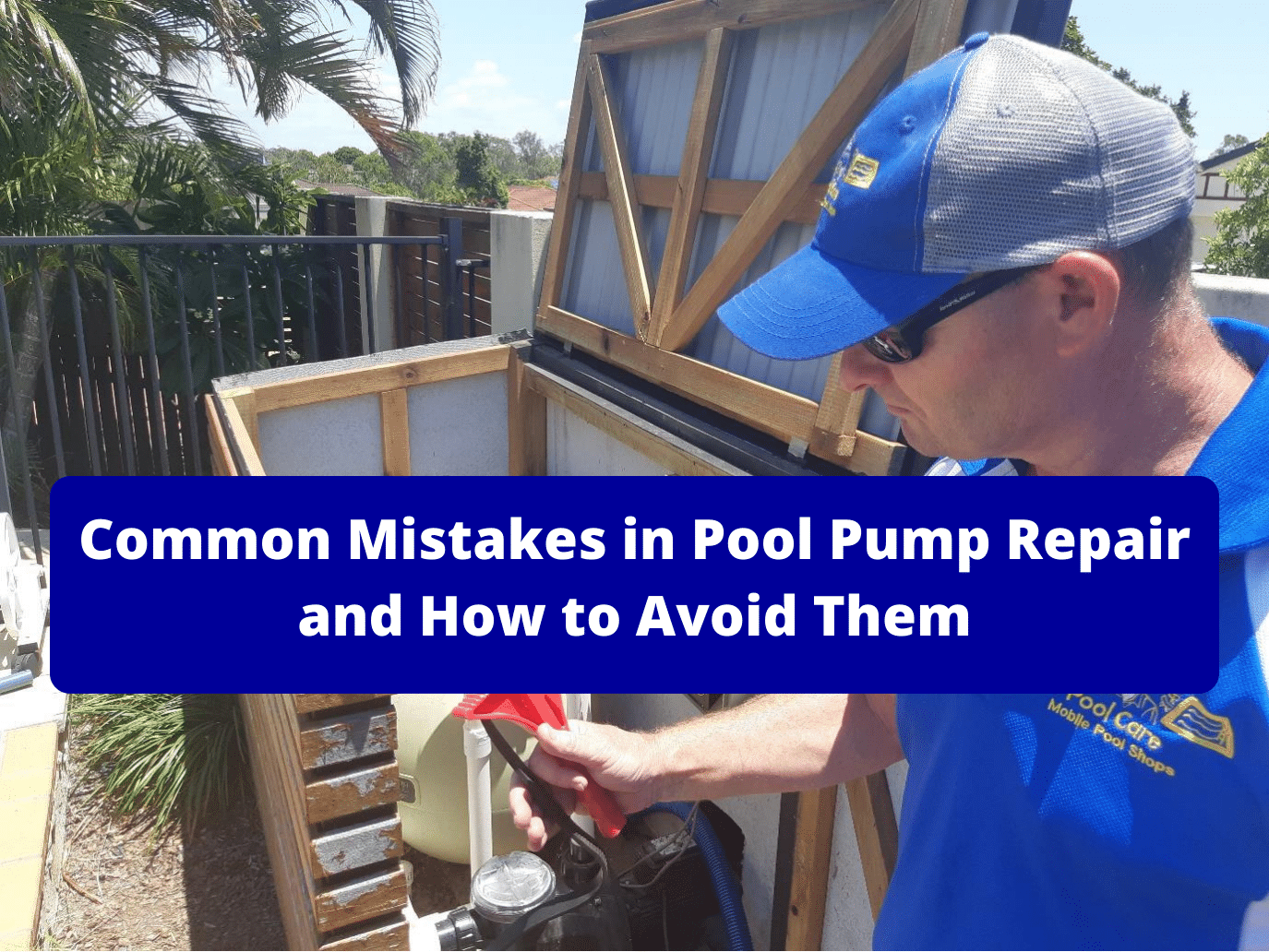
Pool pump repair can be a source of frustration for homeowners, often resulting in unexpected costs. Misdiagnosing problems, using incorrect replacement parts, or neglecting maintenance, undersized pumps are some common pitfalls. This article explores these issues and provides strategies to avoid costly errors, ensuring your pool pump operates efficiently.

“The price of inaction is far greater than the cost of making a mistake.” – Meister Eckhart, was a German Catholic Priest, Theologian, Philosopher and Mystic
Understanding Common Mistakes in Pool Pump Repairs
A pool pump, according to the blog, A Complete Beginner’s Guide to Pool Pump Operation, is the heart of your swimming pool’s circulation system, drawing water from the pool, pushing it through filters to remove finer particles, debris and contaminants, and then returning the clean water back to the pool. Without a pool pump, or when it is not efficiently operating, your pool water could easily turn cloudy, develop algae, and become unhealthy for swimming.
Recognising and addressing common mistakes is essential to maintaining an efficient pool pump. Key areas include improper installation, overly complicated repairs, and inadequate maintenance practices, all of which can lead to inefficiencies and higher costs. By tackling these issues, pool owners can save energy and prolong the life of their equipment.
Identifying Signs of Improper Installation
Improper installation is a frequent cause of pool pump issues. Signs include:
These indicators often point to installation errors that require professional attention. Regular checks can help identify and address these problems early.
Recognising Overly Complicated Repairs
Complex repairs can escalate costs unnecessarily. Pool owners should be cautious of technicians suggesting multiple replacements without thorough diagnosis. Effective repair strategies include:
| Simple Repair Approach | Complicated Repair Approach |
|---|---|
| Thorough inspection before diagnosis | Immediate suggestion of multiple replacements |
| Clear explanation of the issue | Vague or overly technical explanations |
| Focus on root case | Treating symptoms only |
| Detailed receipt for work done | Unclear or inflated billing |
“It is the neglect of timely repair that makes rebuilding necessary.” – Richard Whately, was an English Academic, Rhetorician, Logician, Philosopher, Economist, and Theologian
Addressing Inadequate Maintenance Practices
Poor maintenance can result in costly repairs. Common oversights include neglecting to clean the pump basket, improper water chemistry, and insufficient lubrication. Regular maintenance schedules and checks can prevent these issues, ensuring optimal pump performance.
Common Oversights During Pool Pump Maintenance
Neglecting essential maintenance tasks can reduce pump efficiency and lifespan. Here are some common oversights:
Failing to Check for Leaks
Undetected leaks can cause significant wear and tear, increasing energy consumption. Regular inspections of fittings, seals, and pipes help prevent water loss and maintain efficiency.
Ignoring Filter Cleanliness
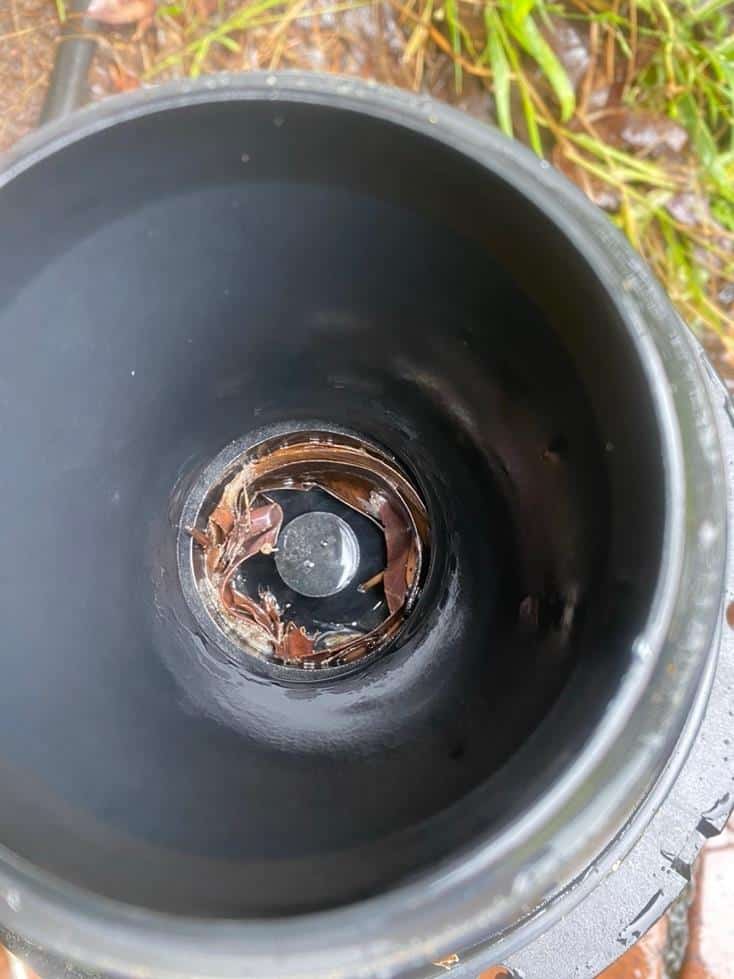
Clogged filters force pumps to work harder, leading to increased energy use and potential damage. Regular filter cleaning ensures proper water flow and reduces strain on the pump. Improper cleaning of pump baskets can also lead to reduced flow and if broken debris can block the impeller which will reduce flow through the pool and cause harm to the pump.

Neglecting Electrical Connections
Loose or damaged electrical connections pose safety risks and lead to malfunctions. Regular inspections and tightening of connections, as well as professional electrical checks, help prevent these issues.
| Electrical Maintenance Task | Frequency | Importance |
|---|---|---|
| Visual inspection of wiring | Monthly | High |
| Tightening of connections | Quarterly | Medium |
| Professional electrical check | Annually | Critical |
Accurate problem identification is vital for effective repairs. Key areas to consider include:
Understanding Noise Variations
Unusual noises can indicate specific problems. For example:
Noting changes in noise levels can help technicians pinpoint issues quickly.
Differentiating Between Mechanical and Electrical Problems
Recognising whether an issue is mechanical or electrical ensures appropriate repairs. Common problems include:
| Symptom | Likely Cause | Type of Problem |
|---|---|---|
| Grinding noise | Worn bearings | Mechanical |
| Pump won’t start | Faulty capacitator | Electrical |
| Reduced water flow | Damaged or blocked impeller | Mechanical |
Recognising Performance Issues
Monitoring water flow, pump pressure, and energy consumption can highlight early signs of problems. Addressing these promptly prevents further damage and ensures efficient operation.
Inappropriate Replacement Parts in Pool Pump Repair
Using the wrong parts can compromise efficiency and cause further damage. To avoid these issues:
Importance of Manufacturer-Approved Components
Manufacturer-approved components ensure compatibility and optimal performance. Choosing genuine parts over generic alternatives offers several benefits such as matching what is being replaced and the guarantee of function and quality, according to the blog, Benefits of Buying OEM Parts Over Aftermarket Products.
Assessing Aftermarket Alternatives
While aftermarket parts may be cost-effective, their quality and durability should be evaluated carefully. Researching specifications and reviews ensures informed decisions.
Lack of Regular Testing and Calibration
Routine testing and calibration of run times and settings are essential for maintaining pool pump efficiency and longevity.
Conducting Pressure Tests
Pressure tests help identify leaks or blockages. Performing these tests bi-annually, particularly before and after peak swimming seasons, ensures optimal performance.
Routine Electrical Testing
Regular electrical inspections help detect potential hazards and ensure consistent pump operation. Monthly checks of wiring and connections, combined with annual professional assessments, prevent breakdowns and inefficiencies.
Adjusting Settings for Specific Pool Requirements

Calibrating the pump’s run time settings to match pool size, usage, and climate optimises water circulation and energy efficiency. Avoiding a one-size-fits-all approach prevents excessive energy costs.
Effective Strategies for Preventing Repair Mistakes
Preventing mistakes involves proactive measures such as:
Scheduling Regular Professional Inspections
Annual professional inspections can identify potential issues early, reducing repair costs. These inspections often include:
| Inspection Task | Frequency | Benefits |
|---|---|---|
| Pressure testing | Annually | Detects leaks and blockages |
| Electrical system check | Annually | Ensures safety and efficiency |
| Calibration of settings | Bi-annually | Optimises seasonal performance |
Keeping Detailed Maintenance Logs
Maintaining records of repairs and inspections helps track the pump’s history and anticipate potential issues. Key details to include are:
Educating Pool Owners on Best Practices
Understanding basic maintenance and recognising early signs of issues empower pool owners to make informed decisions and avoid costly mistakes.
Avoiding common mistakes in pool pump repair is crucial for maintaining efficiency and reducing costs. By addressing installation errors, simplifying repairs, and implementing effective maintenance practices, pool owners can extend their equipment’s lifespan and enhance pool performance. Regular inspections, detailed logs, and informed maintenance decisions ensure a smooth and enjoyable pool experience for years to come.
Keep your pool in top shape with our pool pump repair experts at Jim’s Pool Care. Book now and get your pool pump issues resolved in no time!
We welcome your questions and feedback. We are here to help!
Common signs include unusual noises (like humming or grinding), air bubbles in the pump basket, inconsistent water flow, or circuit breakers tripping. Identifying these issues early can help prevent costly pool pump repair.
Avoid repair mistakes by scheduling regular inspections, using manufacturer-approved parts, maintaining clean filters, and checking for leaks. Always consult a professional for complex repairs to ensure your pool pump operates efficiently.
Loud noises could indicate worn bearings, a failing capacitor, or debris stuck in the impeller. Addressing these issues promptly prevents further damage and reduces the need for major pool pump repair.
Clean your pool pump filter every 1-2 weeks during peak swimming season. Regular cleaning ensures proper water flow, reduces strain on the pump, and enhances energy efficiency.
Signs of leaks include visible water around fittings or seals, reduced water pressure, and unusual noises during operation. Regular inspections can help spot leaks early, avoiding energy waste and damage.
Using incompatible parts can lead to poor performance, increased energy consumption, and potential damage to the pump. Always opt for manufacturer-approved components to ensure longevity and reliability.
Mechanical issues, like worn impellers or bearings, cause grinding noises or reduced water flow. Electrical problems, such as faulty capacitors or loose wiring, often result in intermittent operation or the pump failing to start.
Improve efficiency by maintaining clean filters, checking for leaks, scheduling regular calibrations, and adjusting the pump’s run time and flow rate to suit your pool size and usage.
Don’t let small mistakes turn into costly repairs! Schedule a professional pool pump inspection or repair with Jim’s Pool Care today.
👉 Book now and get your pool pump in perfect shape!
Get to know our studio before you commit to becoming a regular student. We can’t wait to meet you!