
“Well, This is definitely the best service I’ve ever encountered with a pool Cleaning company. Ricky was absolutely amazing. Was on time, polite and did a wonderful job. I would…

Pool safety tips are essential for every Australian homeowner with a pool, playing a critical role in protecting children, guests, and anyone who enjoys time around the water. Enhancing your home’s safety isn’t about limiting fun, it’s about creating an environment where everyone can relax, knowing sensible precautions are in place. Below is a practical, homeowner-focused guide to pool safety, clarifying commonly confused terms and offering clear examples you can act on today.
“By making water safety a family priority, we can prevent unnecessary tragedies and ensure safer enjoyment of our waterways. Drowning is abrupt, silent and shocking, with people often not realising what is happening until it is too late. The power is in prevention as seconds can save a life.” – Roger Sweeney, CEO of Water Safety Ireland
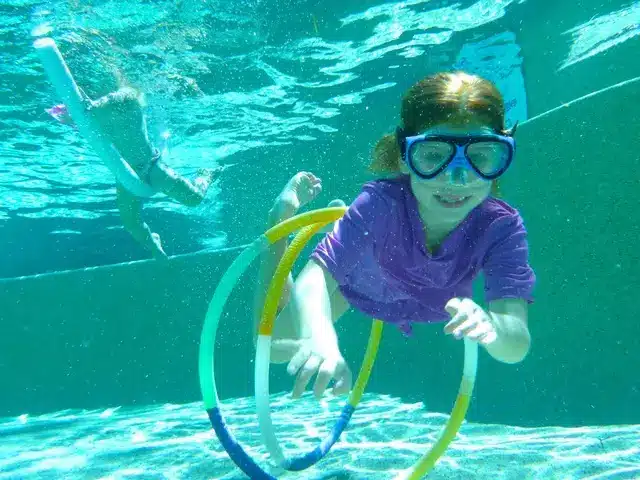
Pools are a feature of many Australian backyards, especially during warmer months. However, water presents inherent risks if safety measures aren’t clearly understood or properly maintained. Accidents often happen quickly and quietly, which is why layered safety, combining barriers, supervision, equipment, and education is so important.
Beyond personal responsibility, homeowners also have legal obligations in most states and territories to meet minimum pool safety standards. Understanding what keeps a pool safe and how to maintain those safeguards helps you protect loved ones and meet compliance requirements.
Pool Safety vs Pool Security: What’s the Difference?
These two terms are often used interchangeably, but they address different aspects of protection:
Example:
A compliant fence with a self-closing gate improves security by stopping unsupervised access. Teaching children to swim and supervising them closely improves safety.
Both are necessary. A secure pool that isn’t actively supervised can still be unsafe, and supervision alone isn’t enough if access isn’t controlled.
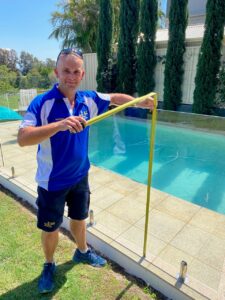
A compliant pool fence is one of the most effective safety measures. It should:
Gates should always swing away from the pool and latch automatically. Regular checks ensure hinges, latches, and springs haven’t worn down over time.
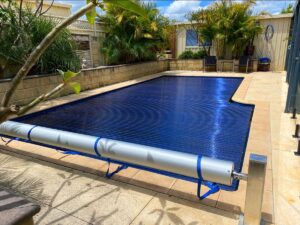
Rigid or reinforced pool covers can help prevent accidental entry, but most are not a substitute for fencing unless specifically certified. Covers are best viewed as an additional safety layer. The blog Essential Pool Safety Tips for Your Home suggested choosing a cover that meets safety standards and is easy to manage, bolstering both safety and cleanliness.
No physical barrier replaces attentive supervision. Many incidents occur when adults assume “someone else is watching.”
Good supervision means:
For social events, rotating supervision responsibilities can help prevent lapses.
“Caution is the parent of safety.” – Proverb
Formal swimming lessons build confidence and essential survival skills. While lessons don’t make children “drown-proof,” and according to the blog, Homeowner Swimming Pool Safety Hazards, do not replace the need for supervision, they significantly reduce risk.
Simple habits like entering the pool feet first, avoiding running near wet areas, and understanding depth changes reinforce safety awareness for all ages.
Homeowners often assume that pool equipment is only about cleanliness. In reality, it plays a major role in safety too.
| Pool Equipment | Safety Role | Common Misunderstanding |
|---|---|---|
| Pool pump | Keeps water circulating and visible | Only affects cleanliness |
| Pool filter | Removes debris that can hide hazards | Doesn’t impact safety |
| Robotic cleaner | Keeps floor clear of slippery algae | Just a convenience tool |
| Skimmer & baskets | Prevent blockages and suction risks | Only cosmetic |
| Pool lighting | Improves visibility at night | Decorative only |
Clear, clean water allows you to see the pool floor and anyone in distress. Poor circulation and neglected equipment can create cloudy water that increases risk.
Water and electricity don’t mix. Ensuring that pumps, lighting, and other electrical components are correctly installed and maintained is vital.
Key precautions include:
Routine servicing can identify potential issues early, reducing both safety and equipment risks.
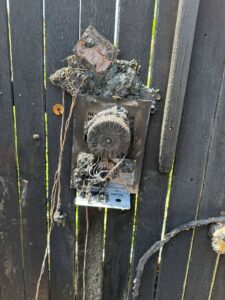
Pool chemicals are essential but can be dangerous if mishandled. Best practices include:
Chemical imbalances can cause skin irritation, breathing issues, or slippery surfaces around the pool edge.
A neglected pool in winter can still pose risks, especially to children and pets.
A green pool isn’t just unappealing, it’s unsafe. Algae-filled water reduces visibility and can hide submerged hazards or struggling swimmers.
Professional green pool recovery restores clarity and balance, returning your pool to a safe, usable condition. Many homeowners underestimate how quickly water quality can deteriorate without consistent maintenance.
A simple checklist helps ensure nothing is overlooked:
Reviewing this checklist regularly, especially before summer, keeps safety in mind.
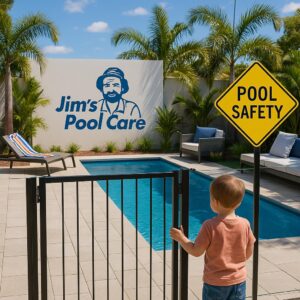
While safety awareness starts at home, professional servicing helps maintain the systems that support a safe swimming environment. Local, owner-operated technicians often identify early warning signs homeowners may miss, from equipment wear to water balance issues.
The key is viewing professional help as support, not a replacement, for everyday safety habits.
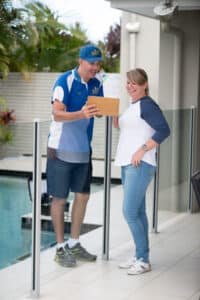
Enhancing your home’s safety with practical pool safety tips allows your pool to be what it should be, a place for relaxation, connection, and fun. By combining secure barriers, attentive supervision, maintained equipment, and clear household rules, you significantly reduce risk while increasing peace of mind.
A safe pool isn’t achieved through one action alone. It’s the result of consistent, informed choices that protect everyone who steps into your backyard. Enjoy safer swimming with expert pool care delivered by trusted, owner-operated professionals from Jim’s Pool Care. Book now to get tailored advice for your pool.

We welcome your questions and feedback. We are here to help!
The most important pool safety tips include installing a compliant pool fence, ensuring gates are self-closing and self-latching, actively supervising swimmers, and keeping water clear and well maintained. These measures work together to reduce the risk of accidents around the pool.
Yes. In Australia, most states and territories require residential pools to have compliant safety fencing. Requirements vary by location but usually include minimum fence heights, non-climbable zones, and self-closing gates. Homeowners are responsible for ensuring their pool meets local regulations.
In most cases, no. While some rigid or certified pool covers can add an extra layer of protection, they generally do not replace the need for compliant pool fencing. Pool covers should be viewed as a supplementary safety feature, not a primary barrier.
Fencing prevents unsupervised access, but it does not eliminate risk once someone is inside the pool area. Active supervision is essential, especially for children, as incidents can happen quickly and silently—even in pools with all required safety barriers.
Clear water is critical for pool safety because it allows you to see the pool floor and quickly spot anyone in trouble. Poor circulation, dirty filters, or algae growth can make water cloudy, increasing the risk of unnoticed accidents.
Pool pumps, filters, and robotic cleaners support safety as well as cleanliness. Proper circulation improves visibility, prevents slippery algae buildup, and helps maintain balanced water chemistry, all of which contribute to a safer swimming environment.
A green pool is unsafe because algae reduces visibility and can hide hazards or struggling swimmers. Green water may also indicate poor chemical balance, which can irritate skin and eyes. Prompt green pool recovery is essential before swimming resumes.
Pool fences, gates, latches, and equipment should be checked regularly—ideally every few months and before peak swimming seasons. Routine inspections help identify wear, damage, or compliance issues early, reducing long-term safety risks.
Make your pool safer! Get peace of mind with a professional pool inspection and servicing from a local Jim’s Pool Care technician. Book now and don’t leave your family’s safety to chance.
Get to know our studio before you commit to becoming a regular student. We can’t wait to meet you!