

“Well, This is definitely the best service I’ve ever encountered with a pool Cleaning company. Ricky was absolutely amazing. Was on time, polite and did a wonderful job. I would…

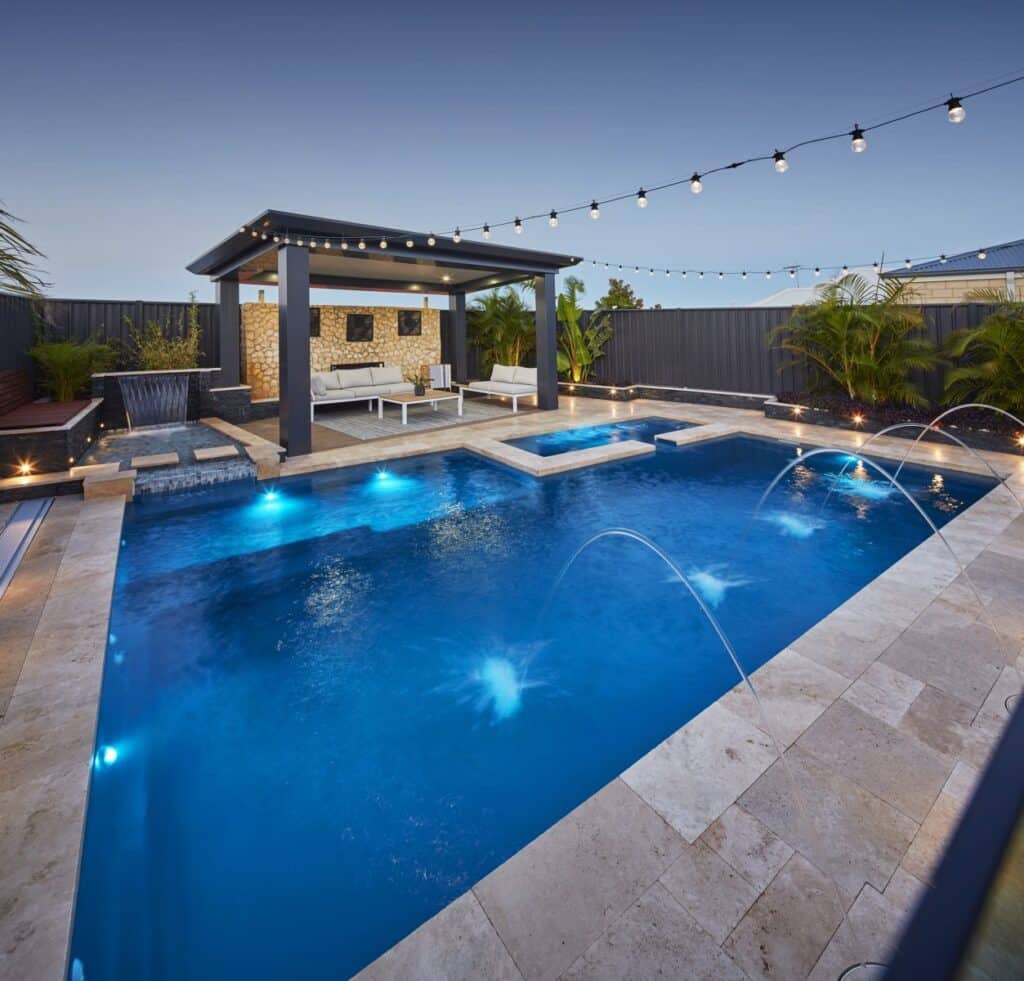
Switching to energy-efficient pool equipment is one of the smartest upgrades an Australian pool owner can make. Beyond keeping your pool sparkling clean, the right equipment cuts running costs, reduces your environmental footprint, and delivers a consistently better swim experience, all without the hassle. Whether you’re looking at variable speed pumps, smarter filtration, solar heating, or automated controls, modern pool technology has come a long way. For homeowners who want a pool that performs well and doesn’t drain the budget, energy efficiency is no longer optional, it’s the standard.
“Energy efficiency not only saves businesses and consumers money, but it also reduces pollution by cutting energy use.” – Jeff Van Drew, an American politician

One of the biggest drivers for upgrading is the direct impact on your power bill. Energy-efficient systems are engineered to use less electricity, which adds up to meaningful savings over time. Here’s a snapshot of what Australian pool owners can expect to save annually:
| Equipment Type | Annual Energy Savings | Description |
|---|---|---|
| Variable Speed Pool Pumps | $300 – $800 | Adjusts speed based on pool needs |
| Energy-Efficient Filters | $200 – $500 | Reduces energy consumption while filtering |
| Solar Pool Heaters | $500 – $600 | Utilises solar energy for heating |
These aren’t just short-term wins. Over the life of your equipment, the cumulative savings make energy-efficient upgrades a genuinely sound long-term investment. It’s also worth noting that various government rebates and incentives are available across Australia to help offset the upfront costs of energy-efficient upgrades, making the switch even more financially attractive.
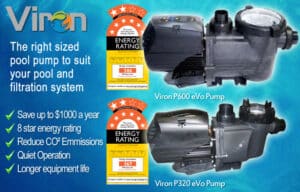
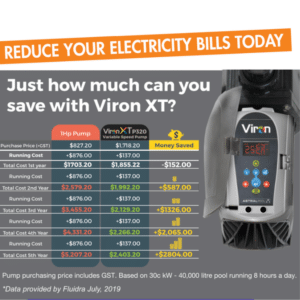
According to a blog by the US Department of Energy, pool pumps often run much longer than necessary. Variable speed pumps are widely regarded as the gold standard in pool circulation technology. Unlike traditional single-speed pumps that run at full power regardless of need, variable speed models adjust their output to match exactly what the pool requires at any given time, whether that’s a slow, steady circulation overnight or a more powerful cycle after heavy use.
The benefits are twofold: lower energy consumption and a longer equipment lifespan. By running at lower speeds for routine circulation and ramping up only when needed, these pumps significantly reduce wear and tear on internal components. They also work in harmony with your pool filtration system, improving water clarity and reducing the reliance on excess chemical treatments to keep the water balanced and clean. Over time, this translates to fewer call-outs, fewer part replacements, and a pool that simply runs better day to day.
And according to the blog, Energy Efficient Pool Features That Save Money and the Environment, the initial investment in a variable-speed pump typically pays for itself within 1-2 years through reduced electricity bills.
Choosing energy-efficient equipment isn’t just good for your wallet, it’s good for the planet. Reduced energy consumption means a smaller carbon footprint, which aligns with Australia’s growing commitment to sustainable living and responsible energy use. When your pool is running efficiently, it draws less power from the grid, which directly reduces greenhouse gas emissions associated with your home.
Improved circulation and filtration also mean fewer chemicals are needed to maintain water quality, further reducing the environmental impact of pool ownership. For homeowners who are conscious about their eco-friendly pool practices, upgrading to efficient equipment is one of the most impactful steps they can take.
“I think the idea of moving to a cleaner energy future and doing more energy efficiency makes smart sense.” — William J. Clinton, an American politician and lawyer
Modern pool automation systems take efficiency a step further. Smart technology allows pool owners to schedule equipment to run during off-peak energy hours, monitor system performance remotely, and make real-time adjustments, all from a smartphone or tablet. This level of control means your pool is always operating at peak efficiency without requiring constant hands-on management.
For busy households, this is a genuine game-changer. Instead of manually adjusting timers or heading outside to check on equipment, you can manage everything from the couch. Some systems even send alerts when something needs attention, helping you stay on top of preventive pool maintenance before small issues become costly repairs.
High-performance pool filters play a critical role in maintaining water quality while keeping energy use low. Not all filters are created equal, and upgrading to a more efficient model can make a noticeable difference in both clarity and running costs. Key features to look for include:
Efficient filters operate at lower speeds while still delivering effective filtration, meaning cleaner water, fewer chemicals, and reduced running costs. Combined with a variable speed pump, an efficient filter creates a pool water quality system that practically manages itself.
Even the best equipment needs regular care to perform at its best. Staying on top of routine upkeep not only keeps your pool looking great but also protects the investment you’ve made in quality equipment. Here are the key pool maintenance practices that keep your system running at full efficiency:
Staying on top of these tasks doesn’t require a lot of time or effort, but the long-term payoff in performance, reliability, and cost savings is substantial.

Upgrading to energy-efficient pool equipment is a practical, cost-effective decision for any Australian pool owner. From lower power bills and better water quality through to a reduced environmental impact and greater convenience, the advantages stack up quickly. Whether you’re starting fresh with a new pool setup or looking to upgrade your existing gear, having the right equipment installed by a knowledgeable local technician ensures you get the best results from day one.
A mobile pool shop that comes to you means no waiting around and no hauling equipment across town, just fast, reliable service from a local expert who knows pools and understands your needs.
Ready to make your pool work smarter? Book now or book a call to speak with our local pool care technician today at Jim’s Pool Care.
We welcome your questions and feedback. We are here to help!
Energy-efficient pool equipment refers to pool systems and devices, such as variable speed pumps, high-performance filters, and solar heaters, that are designed to deliver the same or better performance while using significantly less electricity than standard models. These systems help reduce running costs and minimise environmental impact.
Savings vary depending on the equipment and usage, but Australian pool owners can typically expect to save:
Over time, these savings can significantly offset the upfront cost of upgrading.
Yes. Variable speed pumps are one of the most cost-effective upgrades an Australian pool owner can make. They adjust their speed based on the pool’s needs, consuming less energy during routine circulation and only ramping up when necessary. This reduces power bills, extends the pump’s lifespan, and improves overall water quality.
Energy-efficient pool filters maintain high flow rates while operating at lower energy levels. This means your pool water is being filtered consistently and effectively, resulting in clearer water, better chemical balance, and a reduced need for additional chemical treatments.
It is recommended that pool equipment be professionally serviced at least once a year. Regular servicing helps identify wear and tear early, ensures all components are running efficiently, and prevents small issues from turning into costly repairs. Routine owner maintenance, such as cleaning filters and checking water chemistry, should be done more frequently throughout the season.
Yes. Pool automation systems allow you to schedule equipment to run during off-peak energy hours, remotely monitor performance, and make real-time adjustments via a smartphone or tablet. This level of control eliminates unnecessary energy use and ensures your pool is only consuming power when it needs to.
Yes, various rebates and incentives are available across Australia for homeowners upgrading to energy-efficient equipment, including pool pumps and solar heaters. Availability and eligibility vary by state and territory, so it’s worth checking with your local energy authority or speaking with a qualified pool technician for up-to-date information.
To keep your pool equipment running at peak efficiency, follow these key practices:
Ready to upgrade your pool equipment and start saving? Our local, owner-operated technicians at Jim’s Pool Care are just a call away. Get fast, reliable service that comes straight to your door. Book now!
Get to know our studio before you commit to becoming a regular student. We can’t wait to meet you!