
How to Extend the Life of Your Pool Pump with Proper Maintenance and Repair

Is your pool pump making strange noises or losing efficiency? If so, you probably are looking now for pool pump repair. Regular maintenance and timely repairs are crucial to extending its lifespan. This guide covers essential maintenance techniques, common issues, and tips to prevent damage, helping you keep your pump running smoothly and avoid costly replacements.

Understanding How Your Pool Pump Works

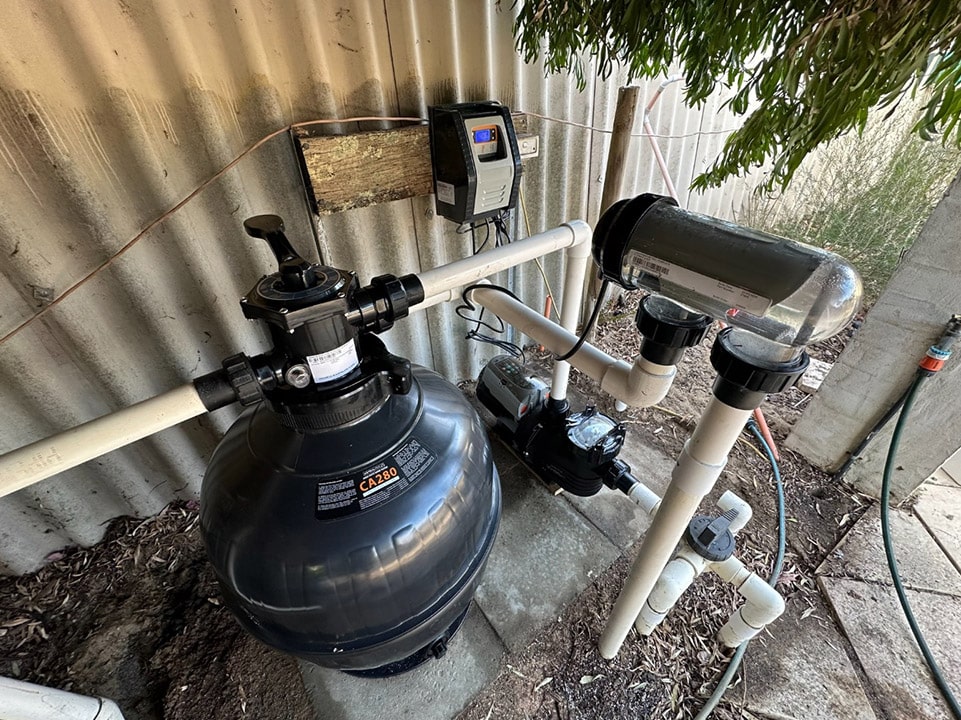
A pool pump plays a vital role in water circulation, drawing water through the skimmer and main drain before pushing it through the filtration system. This process is essential for maintaining water clarity, preventing algae, and distributing chemicals evenly. Key components like the motor, impeller, and filter basket work together to ensure efficient water circulation. Understanding these fundamentals helps you recognize signs of wear, ultimately extending your pump’s lifespan.

Pool Cleaners Sydney

Benefits of Regular Pool Pump Maintenance

Routine maintenance offers several benefits, including extended equipment lifespan, improved energy efficiency, and prevention of costly repairs.
  • Extend Equipment Lifespan: A consistent maintenance schedule prevents unnecessary wear and tear, helping pool owners avoid costly repairs. Inspect the pump basket weekly, maintain water chemistry, and schedule annual professional servicing.
  • Improve Energy Efficiency: Cleaning impellers and lubricating or replacing orings ensures efficient operation, reducing energy consumption. Reliable technicians can also recommend energy-efficient pumps and running times, helping you save on electricity.
  • Prevent Costly Repairs: Regular maintenance helps identify and address minor issues early, avoiding more expensive repairs. Timely replacements of worn seals, bearings, and impellers prevent breakdowns, maintain pump performance and can extend its lifespan.

The good life demands a lot of maintenance.” — Lisa Wingate, an American Writer
Essential Pool Pump Maintenance Techniques

These core maintenance techniques will help you extend your pump’s lifespan:

  • Clean the Pump Basket: Empty the basket weekly to prevent strain on the pump motor and maintain efficient water flow.
  • Inspect and Replace Seals and O-Rings: Check seals and O-rings for wear monthly, replacing them if you notice cracking or flattening. Proper seals prevent leaks and maintain pressure and prevents air getting into the system.
  • Lubricate Moving Parts: Apply silicone-based lubricant to O-rings, shaft seals, reducing friction and preventing wear. Keeping these parts lubricated, according to the blog, Essential Maintenance Tips for Your Swimming Pool Pump in the UK, helps maintain their flexibility and effectiveness.
  • Check for Leaks: Inspect the pump housing and connections for leaks. Detecting and fixing leaks early prevents water loss and maintains efficiency.
  • Monitor Water Flow: Regularly check the pressure gauge on your filter ewand adjust valves to ensure optimal water flow, preventing pump strain and reducing energy consumption.

Common Pool Pump Issues and Repair Solutions

Understanding and addressing common pump issues can help you avoid disruptions in your pool maintenance:
  • Noisy Pumps: Unusual sounds like grinding or squealing may indicate issues with bearings or a blocked impeller. Regular inspections can help address these issues early.
  • Overheating Problems: Overheating reduces efficiency and can lead to premature failure. Ensure proper ventilation and monitor the pump’s temperature during operation. Obstructions in the airflow or motor issues often cause overheating.
  • Low Pressure and Flow Rate: Low pressure impacts water circulation. The blog, 5 Swimming Pool Pump Problems and How to Avoid Them, mentions that debris build-up could impede water flow, hence it is also important to keep these clear as part of a regular maintenance routine. Regular maintenance, like cleaning the pump basket and backwashing the filter, helps maintain pressure. Persistent issues may require professional inspection.
  • Motor Starting Failures: If the motor fails to start or you hear a humming sound the issue may be a faulty capacitor, or electrical problems. Basic checks on the power supply and voltage can help, but a pool professional should be called to inspect the capacitor.
Issue Possible Cause Solution
Low Pressure Clogged Filter or full skimmer basket Backwash or clean filter and empty the skimmer basket
Reduced Flow Rate Blocked Impeller Remove debris from impeller- best practice is to have a pool professional carry this inspection and cleaning.
Inconsistent Pressure Air Leak in System Check and tighten connections and orings are ok and in place

Tips to Prevent Pool Pump Damage

Following these preventive measures can help you avoid common pump problems and extend its operational life:
  • Protect the Pump from Weather: Install a cover or housing to protect the pump from direct sunlight, rain, and debris. This is especially helpful for outdoor installations, where shaded areas help prevent overheating.
  • Maintain Proper Water Chemistry: Regularly test and balance pH levels, chlorine, and alkalinity to prevent corrosion and scale buildup. Proper water chemistry ensures your pump’s internal components remain undamaged.
  • Ensure Correct Installation: Proper installation prevents damage. Place the pump on a level, sturdy base to minimise vibration, and ensure correctly sized pipes and fittings for efficient water flow. Professional installation helps avoid common pitfalls.
  • Schedule Seasonal Check-Ups: Regular inspections at the start and end of each swimming season allow professionals to identify and resolve potential issues before they escalate, extending your pump’s life and performance.
True prevention is not waiting for bad things to happen, it’s preventing things from happening in the first place.” — Don McPherson, an American Former Professional Football Quarterback

Pool Cleaners Sydney

Knowing When to Seek Professional Pool Pump Repair

Recognising when to seek professional repair is essential for maintaining your equipment’s longevity:
  • Recognise Malfunction Signs: Unusual noises, reduced water flow, circuit breaker trips, or leaks are signs of serious issues that require professional attention. Addressing these promptly prevents more extensive damage.
  • Find Qualified Technicians: Choose a technician with relevant qualifications, experience, and familiarity with your pump brand.
  • Understand Warranty Agreements: Carefully review your pump’s warranty, noting coverage periods, exclusions, and required maintenance. Keeping detailed maintenance records helps ensure compliance with warranty terms and simplifies claims.
Regular maintenance and timely repairs are essential for maximising your pool pump’s lifespan. Understanding how your pump works, following key maintenance techniques, and recognizing issues early can save you time and money. Protect your pump from weather, maintain proper water chemistry, and schedule seasonal check-ups to keep your pool system running smoothly. Investing in professional servicing and staying vigilant for possible pool pump repair will ensure your pool remains a source of enjoyment throughout Australia’s pool season.
Get regular, professional care for your pool pump with Jim’s Pool Care’s tailored plans. Book now!

FAQs

We welcome your questions and feedback. We are here to help!

For optimal performance, clean your pool pump’s strainer basket weekly. Regular cleaning helps maintain proper water flow and reduces strain on the pump. During heavy pool use or after storms, check the basket more frequently to remove any excess debris.

Common signs that your pool pump needs maintenance include unusual noises (like grinding or squealing), reduced water flow, and overheating. Other warning signs include visible leaks, low pressure, and increased energy usage. Address these issues promptly to avoid costly repairs.

To prevent overheating, ensure the pump has adequate ventilation and is free from debris. Position it in a shaded area if possible, and regularly inspect for airflow obstructions. Overheating may also indicate motor or impeller issues that require professional servicing.

Low pressure in a pool pump is often caused by a clogged filter, full skimmer basket, blocked impeller, or air leaks in the system. Regularly clean the pump basket, skimmer basket and backwash the filter. If low pressure persists, a professional technician may need to inspect the system for more complex issues.

Schedule professional pool pump maintenance at least once a year, ideally at the start of the swimming season. Professional inspections can identify and fix minor issues before they escalate, helping to maximise your pump’s lifespan and efficiency.

Loud noises in a pool pump often signal issues with bearings, impellers, or trapped debris. Grinding, rattling, or squealing sounds require immediate attention. Regular inspections and timely repairs can prevent further damage and maintain quiet, efficient operation.

Key tips include regular cleaning of the strainer basket, checking and replacing worn seals, lubricating moving parts, and protecting the pump from extreme weather. Proper water chemistry and professional seasonal check-ups also help extend the pump’s life.

Use a pump cover or housing to protect your pool pump from direct sunlight, rain, and debris. For outdoor installations, position the pump in a shaded, well-ventilated area. Regularly inspect for signs of weathering or corrosion, especially after extreme weather conditions.

Stay on top of pool care! Keep your pump running efficiently with our professional maintenance services at Jim’s Pool Care. Book now to get started.