

“Well, This is definitely the best service I’ve ever encountered with a pool Cleaning company. Ricky was absolutely amazing. Was on time, polite and did a wonderful job. I would…


A pool heat pump is an increasingly popular choice for homeowners seeking to extend their swimming season without breaking the bank. This efficient device not only allows you to enjoy your pool in cooler months but also manages to keep energy costs low, making it a smart investment for the eco-conscious and budget-savvy pool owner.

At its core, a pool heat pump utilises the surrounding air to heat your pool. Unlike traditional heating methods that generate heat directly, these pumps transfer existing warmth from the air into your pool water. This process is not only more sustainable but also significantly more efficient. It operates much like a reverse air conditioner, pulling warm air in, extracting the heat, and then transferring it into the water through a heat exchanger.
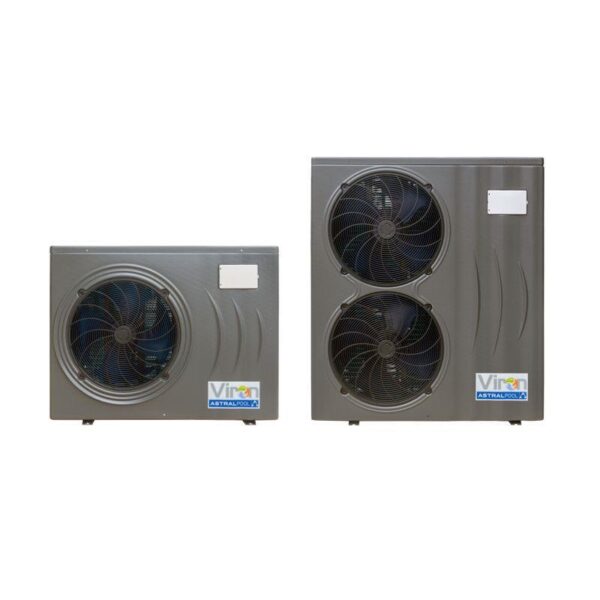
1. Energy Efficiency
Pool heat pumps are becoming more advance in technology and are celebrated for their ability to use less energy compared to other heating methods. By extracting heat from the air, these units consume less electricity, which can lead to considerable savings on your energy bills. This efficiency is measured by a coefficient of performance (COP), and most heat pumps have a COP between 5 and 6, meaning for every unit of energy used, five to six units of heat are produced. Moreover, according to a blog by Aircon Hyper, the COP value is the ratio between their input and output power. The following applies here: the higher the COP value, the better the energy efficiency of the model.
“I think the idea of moving to a cleaner energy future and doing more energy efficiency makes smart sense.” – William J. Clinton, the 42nd President of United States
2. Cost-Effective
Although the initial investment for a pool heat pump may be higher than some alternatives, the long-term savings are undeniable. The efficiency of these units translates into lower operating costs over time, often making them more economical than gas heaters or electric heating elements.
“Technology makes things faster and more cost-effective, but it’s not perfect. It requires you to be as flexible as you can be.” – John Phillips, an American Musician and the Leader of the vocal group, The Mamas & Papas

3. Extended Swimming Season
One of the main advantages of installing a pool heat pump is the extended usability of your swimming pool. With the ability to efficiently maintain comfortable water temperatures, even in cooler climates, you can enjoy your pool from early spring to late autumn and if you choose a larger unit you can achieve all year round usage of your pool.
4. Environmentally Friendly
As global awareness and legislation towards reducing carbon footprints increase, choosing an environmentally friendly pool heating option like a heat pump becomes even more vital. These systems do not burn fossil fuels to generate heat, thus reducing your home’s overall greenhouse gas emissions.
5. Low Maintenance
Compared to other heating methods, heat pumps require relatively low maintenance. This is because they have fewer mechanical components that are at risk of malfunctioning. Regular check-ups and minimal cleaning are generally sufficient to keep a heat pump running smoothly.
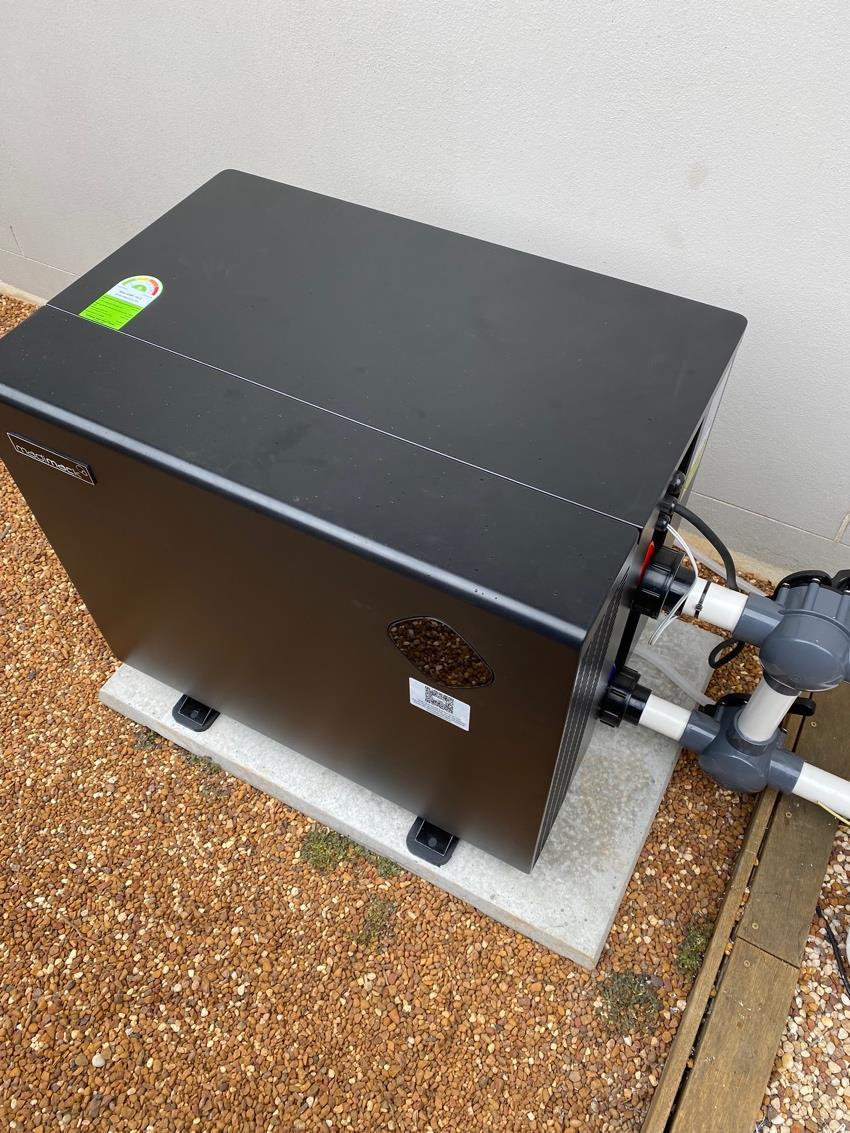
When selecting a pool heat pump, consider the size of your pool and the typical climate of your area. An adequately sized heat pump is crucial for efficiency; a unit too small will run constantly, while a too large unit may cycle on and off too frequently, leading to inefficiency and increased wear.
Additionally, look for models with digital controls and programmable timers for better temperature management and convenience. Features like a titanium heat exchanger are advantageous for their durability and resistance to corrosion, particularly in saltwater pools.
For optimal performance, place your pool heat pump in an area with good airflow and away from obstructions. Furthermore, according to an article by Medium, adequate airflow is essential for the efficient functioning of a pool heat pump. Ensure it’s installed by a professional to avoid common issues like improper handling of the refrigerant, which can affect efficiency. Once set up, using a pool cover can also significantly reduce heat loss and further decrease the running costs of the heat pump.
Investing in a pool heat pump is a wise decision for any pool owner looking to reduce their energy bills while maximising their pool usage throughout the year. This sustainable solution not only offers cost savings and environmental benefits but also enhances the value of your home.
Incorporating a pool heat pump into your pool system represents a smart upgrade that pays dividends both financially and environmentally, ensuring that your pool remains a comforting, cost-effective oasis in any season. For those seeking expert advice and professional installation, Jim’s Pool Care offers comprehensive pool services including maintenance and equipment installation. With a strong focus on quality and customer satisfaction, Jim’s Pool Care ensures that your swimming pool remains a source of joy and relaxation for years to come. Book Jim’s Pool Care to experience the wonders of pool heat pumps.
A pool heat pump uses the ambient air to heat your swimming pool by extracting warmth from the air and transferring it into the pool water through a heat exchanger. It operates similarly to an air conditioner running in reverse, making it an efficient and sustainable choice for pool heating.
Pool heat pumps are highly efficient, often featuring a coefficient of performance (COP) between 5 and 6. This means for every unit of electricity used, they generate five to six units of heat, significantly reducing operating costs compared to traditional pool heating methods.
Absolutely! A pool heat pump can maintain comfortable water temperatures even in cooler months, effectively extending your swimming season from early spring to late autumn.
Yes, pool heat pumps are considered environmentally friendly because they do not burn fossil fuels to generate heat. This reduces greenhouse gas emissions and helps decrease your carbon footprint.
Pool heat pumps require minimal maintenance, primarily involving regular check-ups and cleaning of the unit to ensure optimal performance. They have fewer mechanical components at risk of malfunction, which contributes to their longevity and reliability.
Choosing the correct size is crucial for efficiency. The size of your heat pump should be based on the volume of your pool and the average air temperature in your area. An undersized or oversized unit can lead to inefficiency and increased wear.
Look for features like digital controls, programmable timers, and titanium heat exchangers. Digital controls offer precise temperature management, timers can reduce operating costs by heating only when needed, and titanium is resistant to corrosion, especially in saltwater pools.
The heat pump should be installed in an area with good airflow, away from potential obstructions and foliage. It’s best to have a professional install the unit to avoid common installation errors that could impact efficiency.
Ready to extend your swimming season with a pool heat pump? Book a free consultation with our experts at Jim’s Pool Care to find the perfect solution for your pool.
Get to know our studio before you commit to becoming a regular student. We can’t wait to meet you!