
“Well, This is definitely the best service I’ve ever encountered with a pool Cleaning company. Ricky was absolutely amazing. Was on time, polite and did a wonderful job. I would…


Are you struggling with cloudy pool water despite regular cleaning? Effective pool filter maintenance is crucial for ensuring water quality. This guide covers essential maintenance practices, troubleshooting common issues, and understanding how filter care affects pool chemistry. By following these expert tips, you can keep your filtration system running efficiently, ensuring crystal-clear water with minimal maintenance effort.
“It’s better to prepare than repair.” – John C. Maxwell, an American Author, Speaker, and Pastor

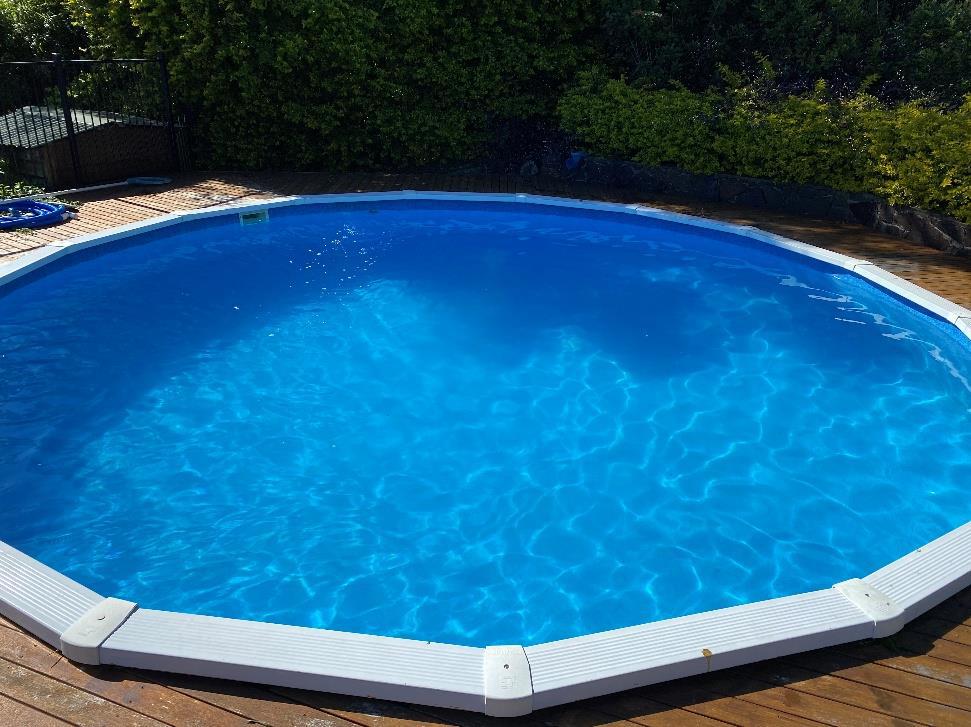
Pool filters remove debris and contaminants, ensuring a clean swimming environment. Additionally, according to the blog, Essential Things to Know About Pool Filters, they help extend the life of pool equipment. Various filter types, including media filters, element cartridge filters, and diatomaceous earth (DE), offer unique benefits. Knowing how these systems function helps maintain optimal water chemistry and filtration efficiency.
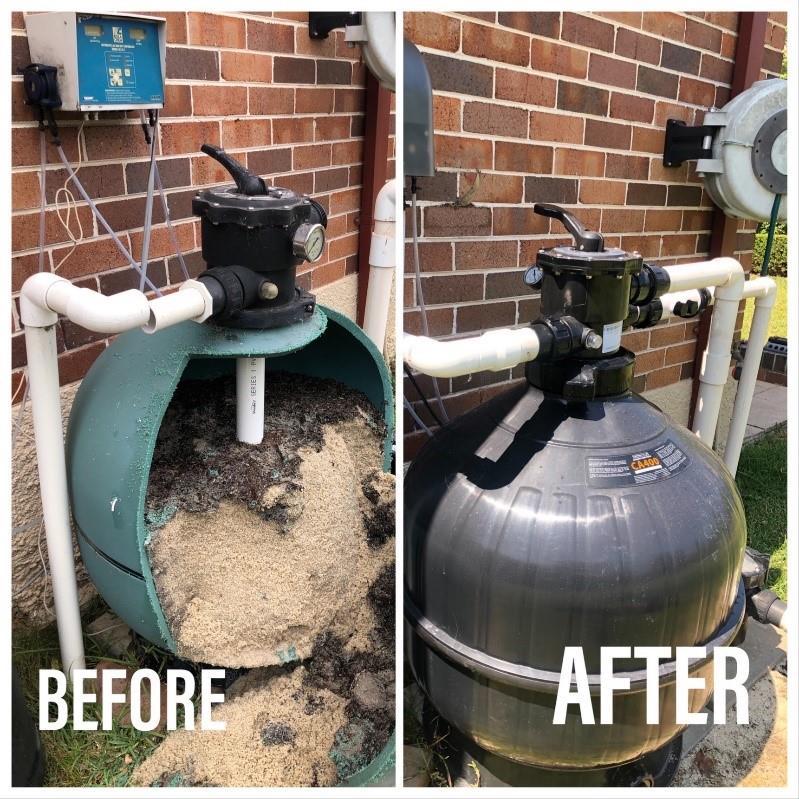
Regular upkeep ensures efficient filtration and extends the filter’s lifespan. Proper cleaning techniques, timely replacement of filter elements, and monitoring pressure levels are key to maintaining water clarity.
Checking pressure gauges helps determine when cleaning is needed. Rising pressure indicates clogged filters, reducing efficiency and increasing strain on the pump. Always ensure your pressure gauge is working to ensure correct readings.
According to the blog, How to Avoid Common Pool Maintenance Mistakes, one of the most common and costly mistakes pool owners make is the failure to regularly monitor the pool’s water balance. Clean filters improve pH balance and chlorine effectiveness, reducing chemical usage. Regular vacuuming and brushing, combined with efficient filtration, maintain water quality.
| Filter Maintenance Task | Impact on pH Levels |
|---|---|
| Regular nozzle cleaning | Improves filtration, stabilises pH |
| Monitoring pressure levels | Ensures filter efficiency, affects pH |
| Replacing worn components | Enhances filtration, maintains stability |
A well-maintained filter ensures chlorine works efficiently by removing contaminants, preventing excessive chemical use, and keeping water sanitised.
Identifying and addressing common issues ensures uninterrupted filtration and optimal water quality.
“The first step in solving a problem is to recognize that it does exist.” – Zig Ziglar, was an American Author, Salesman, and Motivational Speaker
| Leak Source | Solution |
|---|---|
| Loose connections | Tighten fittings, apply sealant |
| Cracked housings | Replace damaged parts |
| Faulty O-rings | Replace with new orings |
Seasonal upkeep ensures smooth operation year-round, especially during high-use months.
| Winter Preparation Task | Purpose |
|---|---|
| Clean filter thoroughly | Remove debris and contaminants |
| Apply filter cleaner / degreaser | Removes oils and other stubborn contaminants |
Check out some Top Tips for Spring Pool Maintenance via:
For enhanced efficiency, deep cleaning, professional inspections, and innovative products help maintain superior filtration performance.
Annual deep cleaning prevents algae and bacteria buildup, extending filter lifespan and improving water clarity.
Proper pool filter maintenance is essential for water quality and filtration efficiency. Regular cleaning, timely filter replacements, and pressure monitoring ensure optimal performance. Addressing issues promptly and implementing seasonal maintenance prevents costly repairs and enhances pool longevity. By investing in proper upkeep, pool owners enjoy crystal-clear, healthy water all year long.


We welcome your questions and feedback. We are here to help!
Regular pool filter maintenance removes dirt, debris, and bacteria from the water, ensuring a clean and safe swimming environment. A well-maintained filter improves water clarity, reduces chemical usage, and prevents common pool problems like algae growth.
The frequency of cleaning depends on the type of pool filter:
Signs your pool filter needs cleaning include:
✔️ Cloudy or murky water
✔️ Reduced water flow from jets or air bubbles
✔️ Increased filter pressure (above 10 PSI from normal levels)
✔️ Visible debris in the pool
Neglecting pool filter maintenance leads to poor water circulation, algae growth, and an overworked pump, resulting in higher energy costs and potential equipment failure.
Turn off the pump and remove the filter.
Rinse the cartridge with a garden hose, removing debris.
Soak in a filter cleaning solution for deep cleaning.
Rinse thoroughly and allow to dry before reinstalling.
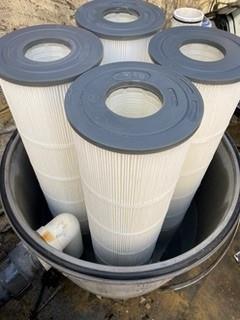
You should replace your pool filter if:
A clean pool filter ensures chlorine works effectively by preventing bacteria and algae buildup. If the filter is dirty, chlorine will be consumed faster, requiring more chemicals to maintain balanced water chemistry.
Skim debris daily and brush pool walls.
Use a robotic pool cleaner to reduce strain on the filter.
Maintain balanced water chemistry to prevent filter clogging.
Follow a seasonal maintenance routine for long-term filter performance. Consider placing your pool on a regular professional regular pool service.
Don’t wait for water problems. Keep your pool in top condition with professional servicing. Our local experts at Jim’s Pool Care ensure clean, safe, and hassle-free pool care. Book now!
Get to know our studio before you commit to becoming a regular student. We can’t wait to meet you!