
“Well, This is definitely the best service I’ve ever encountered with a pool Cleaning company. Ricky was absolutely amazing. Was on time, polite and did a wonderful job. I would…

Pool filter maintenance is one of the most important aspects of keeping your swimming pool clean, healthy, and enjoyable. While many pool owners focus on water chemistry and surface cleaning, the filter quietly does most of the heavy lifting behind the scenes. When it isn’t maintained correctly, water quality quickly declines, algae can take hold, and equipment is put under unnecessary strain.
Below are five of the most common pool filter maintenance mistakes homeowners make, along with clear, practical advice on how to avoid them and keep your pool running efficiently all year round.
“Keep your own house and its surroundings pure and clean. This hygiene will keep you healthy and benefit your worldly life.” — Sathya Sai Baba, was an Indian godman and philanthropist
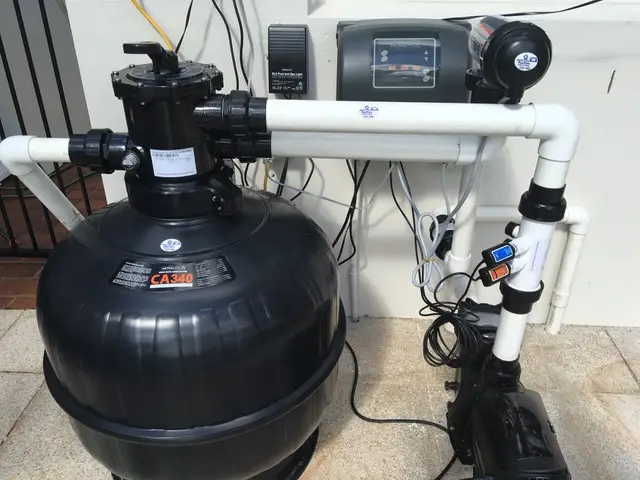
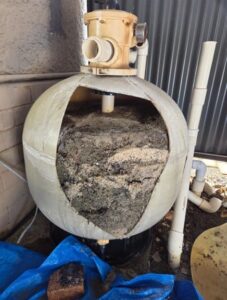
A clogged pool filter is one of the fastest ways to end up with cloudy water and poor circulation. Filters are designed to trap dirt, leaves, oils, and fine particles, but when they become overloaded, their performance drops significantly.
Signs your pool filter may be clogged:
When a filter is clogged, it can no longer remove particles effectively. This allows contaminants to remain suspended in the water, creating ideal conditions for algae growth and poor clarity. Over time, according to the blog, 7 Signs You Need to Replace Your Pool Filter (Don’t Worry: It’s Easy), these particles can accumulate, leading to cloudy or murky water.
How to avoid it
Regular cleaning or backwashing (depending on your filter type) is essential. Staying on top of maintenance prevents blockages and ensures the filter can do its job properly.
The pressure gauge is one of the simplest but most overlooked tools in pool filter maintenance. It provides an immediate snapshot of how hard your filter is working.
What pressure readings mean:
Ignoring pressure changes allows small problems to escalate into larger, more expensive ones.
How to avoid it
Make a habit of checking the pressure gauge weekly. If you notice pressure rising 20–25% above the normal operating level, it’s time to clean or backwash the filter.

Chemical balance plays a major role in protecting your filter. Overusing chlorine or applying harsh chemicals incorrectly can damage filter media and internal components.
How incorrect chemicals harm filters:
This damage reduces filtration efficiency and shortens the lifespan of the filter.
Best practices for balanced water chemistry:
Balanced water chemistry protects not just your filter, but your pump, pool surfaces, and swimmers as well. Additionally, a blog by Talented Ladies Club suggested that knowing when to add chemicals is equally vital.
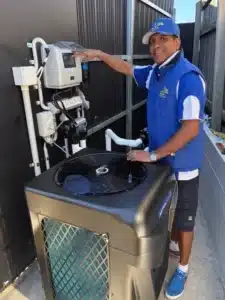
Even a perfectly clean filter can’t work properly if water isn’t circulating through it long enough each day. The pump is responsible for pushing water through the filter, and insufficient run time means debris stays in the pool instead of being captured.
Effects of insufficient pump run time:
Most residential pools should achieve at least one full water turnover per day.
| Pool Size / Usage | Recommended Daily Run Time |
|---|---|
| Small Pools | 6–8 hours |
| Average pools | 8–12 hours |
| Large or heavily used pools | 10–14 hours |
Adjust run times seasonally, increasing during warmer months or periods of heavy use.
Not all pool filters are maintained the same way. Applying the wrong method can reduce efficiency or even damage the system.
Common filter types and correct care:
Each filter relies on clean media to maintain proper water flow and pressure. Using the correct maintenance method ensures optimal performance and extends equipment life.
“Maintenance is terribly important.” – Manolo Blahnik, a world-renowned Spanish luxury shoe designer
| Mistake | Consequence | Prevention |
|---|---|---|
| Ignoring pressure gauge | Clogged filter, poor circulation | Check pressure weekly |
| Using incorrect chemicals | Filter damage | Maintain balanced water chemistry |
| Insufficient pump run time | Cloudy water, algae growth | Follow recommended run times |
Avoiding these common pool filter maintenance mistakes can make a noticeable difference in water clarity, equipment longevity, and overall pool enjoyment. By monitoring pressure levels, keeping chemicals balanced, cleaning filters regularly, and running your pump for the correct duration, you reduce the risk of costly repairs and ongoing water problems.
Consistent, proactive maintenance is far easier, and more affordable, than fixing issues after they escalate. With the right habits in place, your pool can stay clean, clear, and ready to enjoy throughout the season.
Leave pool filter maintenance to Jim’s Pool Care, so you can enjoy cleaner water, better circulation, and peace of mind with reliable, professional pool servicing at great value. Request a pool cleaning quote today!

We welcome your questions and feedback. We are here to help!
Pool filter maintenance should be performed regularly to keep water clean and equipment running efficiently. Pressure gauges should be checked weekly, while filters are typically cleaned or backwashed every 4–6 weeks, depending on pool usage and debris levels.
Common signs include rising pressure gauge readings, reduced water flow, cloudy pool water, and visible debris returning to the pool. These issues indicate the filter is clogged and no longer removing contaminants effectively.
Yes. Inadequate pool filter maintenance allows dirt and fine particles to remain suspended in the water, leading to cloudy conditions. Poor filtration can also encourage algae growth, making water harder to balance and maintain.
The pressure gauge shows how hard the filter is working. High pressure usually means the filter is dirty and needs cleaning, while low pressure can indicate leaks, blockages, or pump issues. Monitoring the gauge helps prevent damage and costly repairs.
Most residential pools require the pump to run long enough to complete at least one full water turnover per day. This typically means 8–12 hours daily, with longer run times needed during warmer months or heavy pool use.
Yes. Excessive chlorine and incorrect chemical use can damage filter media, reduce filtration efficiency, and shorten equipment lifespan. Balanced water chemistry is essential for protecting both the filter and overall pool system.
Yes. Sand filters require backwashing, cartridge filters need regular cleaning or replacement, and DE filters must be backwashed and recharged with DE powder. Using the correct maintenance method ensures optimal performance.
Ignoring pool filter maintenance can lead to cloudy water, algae growth, increased chemical usage, poor circulation, and premature equipment failure. Regular upkeep helps avoid expensive repairs and keeps the pool safe and enjoyable.
Cloudy water or rising filter pressure? Don’t wait for algae or equipment damage. Get fast, professional help from Jim’s Pool Care to restore water clarity and protect your pool system. Book now for expert pool care.
Get to know our studio before you commit to becoming a regular student. We can’t wait to meet you!