
“Well, This is definitely the best service I’ve ever encountered with a pool Cleaning company. Ricky was absolutely amazing. Was on time, polite and did a wonderful job. I would…


Is your pool turning green, leaving you frustrated and unsure how to restore its crystal-clear beauty? This guide offers effective strategies for green pool recovery, covering the causes of algae growth, step-by-step cleaning methods, and prevention tips. You’ll learn how to tackle this common pool maintenance issue using the right balance of chlorine and proper cleaning techniques. By the end, you’ll have the knowledge to transform your green pool into a sparkling oasis and keep it that way.

“When your environment is clean, you feel happy, motivated and healthy.” – Lailah Gifty Akita, Author
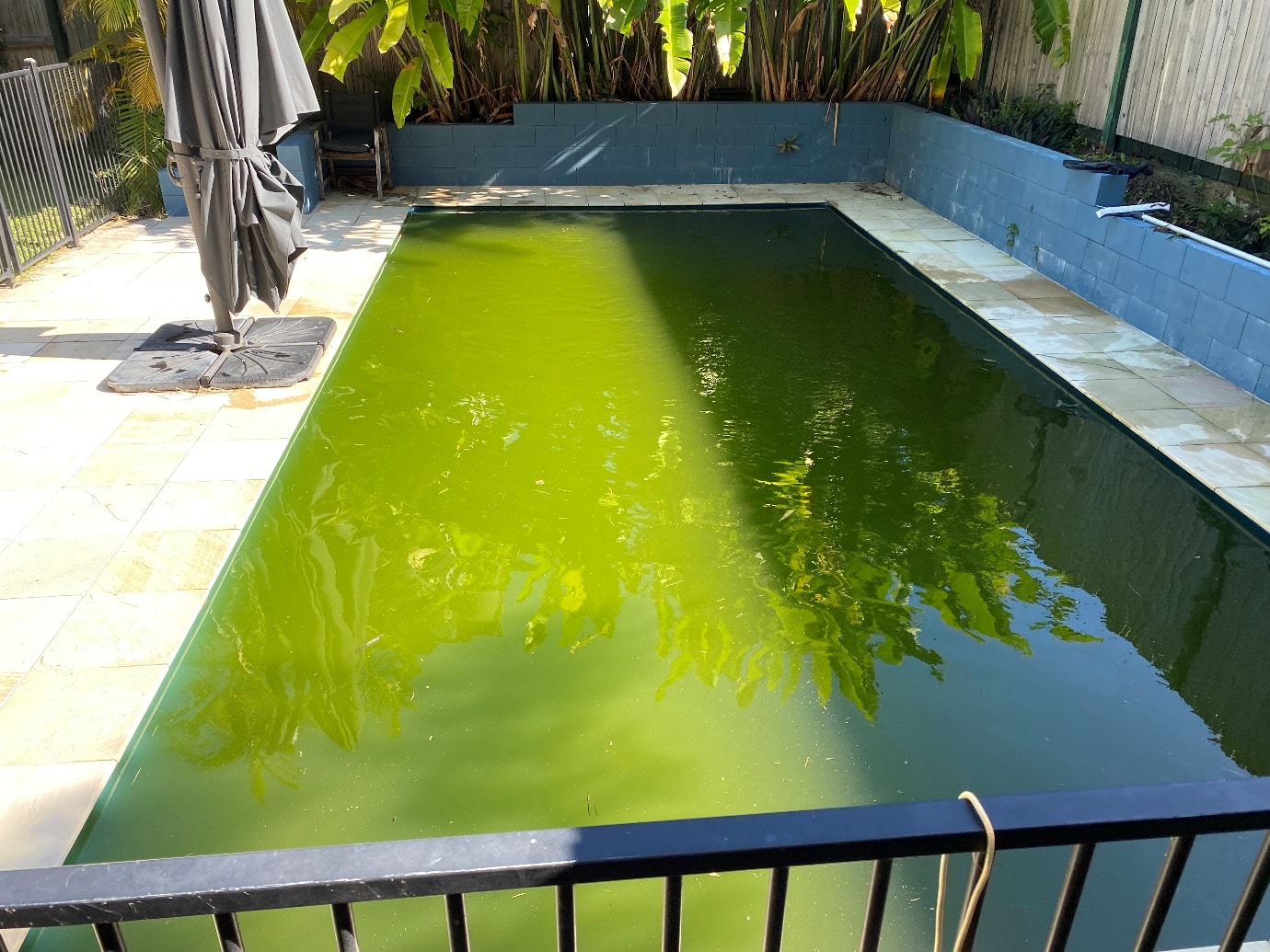
Green pool water often results from algae growth, influenced by factors such as poor circulation, poor or improper filtration and inadequate chlorine levels. pH imbalances and filtration issues can worsen the problem. High phosphate levels also contribute to algae blooms. In fact, according to the blog, Why Is My Pool Green: Common Causes and Solutions, when the levels of the different swimming pool chemicals are unbalanced, algae takes over the space very fast, resulting in a green pool. Understanding these causes is crucial for effective green pool recovery.
Different algae types pose unique challenges:
Pollen and metals contribute to green pool water:
| Factor | Impact | Solution |
|---|---|---|
| Pollen | Surface discolouration | Skimming, filtration |
| Metals (Copper, Iron) | Water tinting | Chemical balance, metal removers |
| Leaf and debris | Nutrient source for algae | Regular cleaning, pool covers |
Maintaining proper chlorine levels prevents algae growth and eliminates bacteria. Regular testing and adjusting chlorine levels, along with filter maintenance and balanced water chemistry, ensure optimal chlorine effectiveness.
Incorrect pH levels reduce chlorine efficiency and cause metal corrosion, leading to discoloration and staining. Keeping pH between 7.2 and 7.6 optimises chlorine effectiveness and prevents green water. According to a blog by Beatbot, when the pH climbs above 7.8, these minerals stage a rebellion, clumping together and start dropping out of solution, creating that annoying cloudy effect you’re seeing.
Efficient filtration is vital. Regular backwashing, Cartridge cleaning, filter maintenance, and using phosphate removers help prevent algae buildup and maintain clear water.
High phosphates fuel algae growth. Regular testing, using phosphate removers, and proper chemical balance can mitigate this issue.
| Prevention Technique | Frequency | Benefit |
|---|---|---|
| Water testing | 2-3 times per month depending use and season | Maintains chemical balance |
| Shock treatment | Weekly | Eliminates contaminants |
| Surface brushing | Twice weekly | Prevents algae attachment |
| Filter cleaning | Monthly | Ensures efficient filtration |

“Preventive Maintenance: Don’t start today by doing yesterday’s work.” – Deniece Schofield, Author
Enjoying Your Revitalised Pool
Green pool recovery requires a comprehensive approach involving water testing, chemical balancing, and effective treatments. Regular maintenance, proper filtration, and proactive care prevent algae blooms and maintain crystal-clear water, ensuring a safe and enjoyable swimming environment year-round.
Don’t wait for algae to take over. Transform your pool and maintain regularly with Jim’s Pool Care. Book a professional pool service today and enjoy crystal-clear water all year round!
We welcome your questions and feedback. We are here to help!
A green pool is typically caused by algae growth due to low chlorine levels, poor filtration and circulation, imbalanced pH, or high phosphate levels. Regular maintenance, proper chemical balance, and effective filtration can prevent algae buildup.
Begin green pool recovery by testing the water, balancing pH and chlorine levels, shocking the pool with chlorine, and running the filtration system continuously. Brushing pool surfaces and using algaecides can speed up the process.
Depending on the severity of algae growth, green pool recovery can take between 24 hours to a week. Consistent chemical treatment and continuous filtration help achieve faster results.
Baking soda helps balance pH and alkalinity but does not eliminate algae. For effective green pool recovery, use chlorine shock treatments and algaecides alongside proper pH management.
Prevent future algae growth by maintaining proper chlorine levels, balancing pH, regularly cleaning filters, brushing pool walls, and using a pool cover to reduce debris and sunlight exposure.
Granular chlorine works best for quick algae elimination, while liquid chlorine offers steady treatment. Chlorine tablets or salt water chlorination units are ideal for ongoing maintenance after recovery.
Yes, high phosphate levels feed algae growth. Regular phosphate testing and using phosphate removers can help prevent algae outbreaks and keep the water clear.
Yes, run the pool pump continuously during green pool recovery to circulate chemicals and filter out algae. Clean or backwash the filter regularly for the best results.
Tired of DIY pool maintenance? Let our experts at Jim’s Pool Care do the hard work for you.
👉 Book a pool cleaning service now and relax by a sparkling clean pool.
Get to know our studio before you commit to becoming a regular student. We can’t wait to meet you!