

“Well, This is definitely the best service I’ve ever encountered with a pool Cleaning company. Ricky was absolutely amazing. Was on time, polite and did a wonderful job. I would…


Is your pool filter causing you headaches? Regular maintenance is essential for keeping your pool clean and safe. This guide explores the tools and techniques for effective pool filter maintenance, including cleaning cartridge filters, backwashing sand and DE filters, and troubleshooting common issues. By mastering these methods, you can save time and money while maintaining your pool’s efficiency.
“The good life demands a lot of maintenance.” – Lisa Wingate, an American Writer

Pool filter maintenance is vital for maintaining water quality and clarity. According to the blog, The Importance of Pool Filters in Maintaining Water Quality, pool filters serve as the backbone of water quality management. A clean filter ensures efficient filtration, improving water clarity and reducing the need for excessive chemical treatments. Signs your pool filter needs attention include reduced water flow, cloudy water, and visible fine debris. Addressing these issues promptly can prevent costly repairs and prolong the lifespan of your filtration system.
A clean pool filter effectively removes contaminants, and microscopic particles, and reduces algae growth. It also minimizes the accumulation of leaves and organic matter, which can lead to cloudy water. Regular cleaning helps with restoring good water flow and filtration of the water and assists in keeping your pool crystal-clear and inviting for swimmers.
Common signs of a problematic pool filter include reduced water flow, cloudy water, increased algae growth, and debris escaping through return jets. A pressure gauge reading 8-10 PSI above normal often indicates the need for cleaning or backwashing. Regular maintenance can resolve these issues and ensure your filter operates at peak performance.
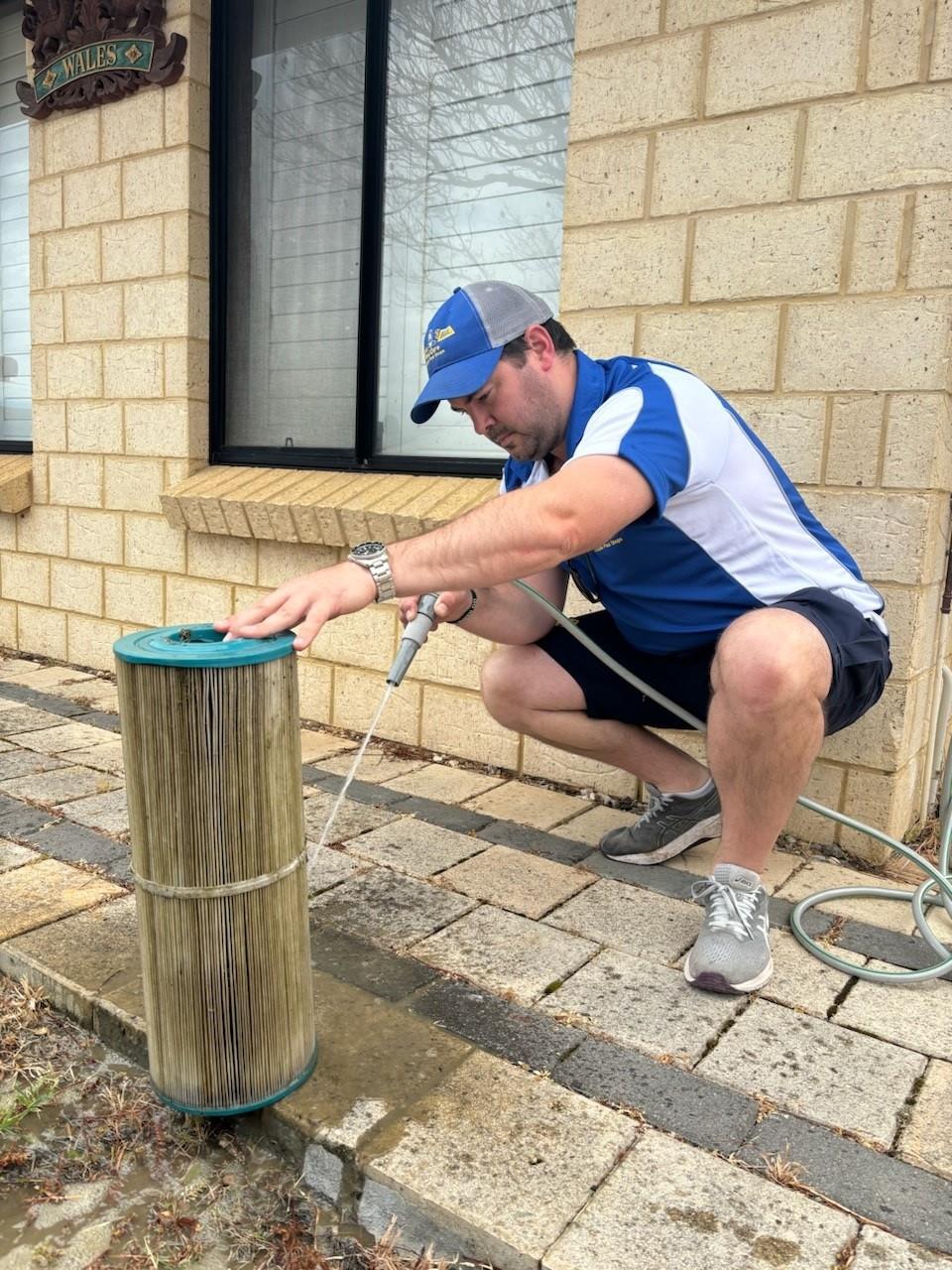
To maintain your pool filter effectively, you’ll need the right tools and safety gear:
Wear safety goggles, gloves, and closed-toe shoes when handling pool chemicals. Ensure proper ventilation during maintenance to avoid inhaling fumes, and follow manufacturer guidelines for handling components like gaskets and O-rings.
Proper cartridge filter maintenance ensures optimal filtration and water quality. Follow these steps:
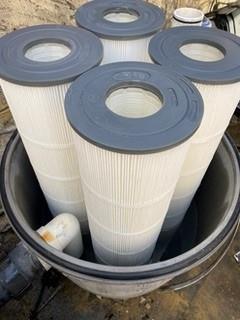
Turn off the pump and release pressure from the filter tank through the air bleed plug. Open the filter housing and remove the cartridge element or elements. Inspect for tears, cracks, or excessive buildup of debris. Replace damaged cartridges as needed. If the pleats are thin and loose it may be time to replace. It is recommended that element filters be replaced every 12-18 months.
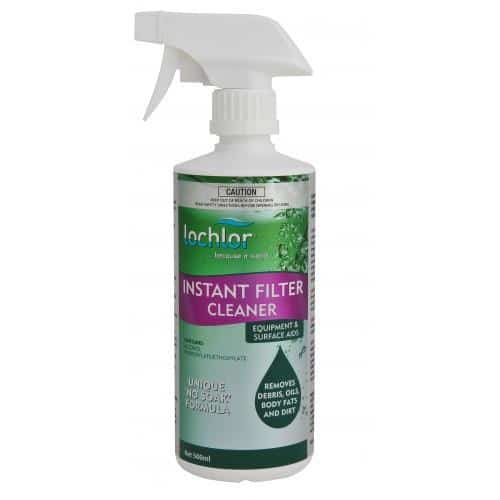
Rinse the cartridge thoroughly with a garden hose, using a filter cleaner for stubborn debris or buildup. Monitor the pressure gauge and use the relief valve to release pressure before cleaning. Avoid using high-pressure water jets, which can damage delicate pleats.
Reassemble the filter system, ensuring all components are properly aligned and secured. Test the system by running the pump and checking for proper water flow and clear water. Bleed all the air out of the filter as well. Check your manufacturers handbook on how to perform this as it may vary between each unit.
“When your environment is clean, you feel happy, motivated and healthy.” – Lailah Gifty Akita, a Ghanaian and Founder of Smart Youth Volunteers Foundation
Backwashing reverses water flow through the filter to remove trapped debris. According to a blog by Eco Outdoor, the frequency of backwashing depends largely on how much use your swimming pool gets and the type of filtration system as well as its position.
Turn off the pump. Set the multiport valve to backwash and run the pump for about two minutes or until the water in the sight glass is clear (Time will vary depending on a number of things like the size of your pool, usage and filter size). Turn the pump off again and set the valve to rinse position and run the pump for 30 seconds or till the sight glass is clear again.
Once this cycle is complete, turn the pump off before moving the handle to the filter position. Then you can turn the pump back on.
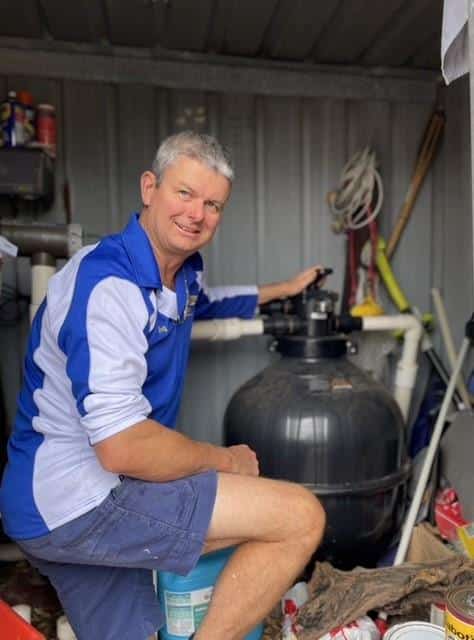
Backwash the filter as described above, then add fresh DE powder according to manufacturer instructions. Regular backwashing prevents contaminants from accumulating and ensures efficient filtration.
Regular maintenance can significantly prolong the lifespan of your pool filter. Establishing a routine schedule and avoiding common mistakes are key.
Avoid overtightening filter components, neglecting regular backwashing, and using harsh chemicals. Follow manufacturer guidelines for cleaning frequency and chemical use to protect the filter’s integrity.
Maintain proper water chemistry, clean filter elements or backwash and rinse your media filters regularly and run the pump for at least 8 hours daily in the warmer months. Use a pool cover to minimize debris and check your skimmer and pump baskets to reduce the strain on your filter system.
Pool filter issues can disrupt water quality and efficiency. Learn how to handle pressure fluctuations and leaks.
An increase in pressure often indicates a clogged filter, while low pressure may point to pump problems or system leaks. Clean the filter when the pressure rises 8-10 PSI above normal, and check the pump basket and skimmer for blockages.
Inspect for water loss or damp spots around the filter. Minor leaks can often be fixed with pool-grade sealant or by replacing damaged O-rings and gaskets. For significant leaks or internal damage, professional assistance may be necessary.
Regular pool filter maintenance is the key to a clean, safe, and enjoyable swimming experience. By understanding how to properly clean and care for your filter—whether it’s a cartridge, sand, or DE system—you can extend its lifespan, reduce repair costs, and maintain crystal-clear water. Equipping yourself with the right tools, adhering to a consistent maintenance schedule, and troubleshooting issues promptly ensures your pool stays in top condition year-round. While many tasks can be handled on your own, don’t hesitate to seek professional assistance for complex problems to keep your pool filter running efficiently and your water pristine.
Protect your pool system and prevent expensive repairs with regular filter maintenance that Jim’s Pool Care offers. Book now!
We welcome your questions and feedback. We are here to help!
Pool filter maintenance is essential to keep your water clean, clear, and safe. A well-maintained assists in filtering finer debris, contaminants, and algae while reducing the need for excessive
chemical treatments. Regular maintenance prevents costly repairs and extends the lifespan of your filtration system.
Common signs include reduced water flow, cloudy water, or debris returning to the pool. Check the pressure gauge; if it reads 8-10 PSI above normal, it’s time to clean or backwash your filter. Regular inspections can help catch these issues early.
You’ll need a garden hose, filter cleaner solution, lubricating grease, a chemistry test kit, and safety gear like gloves and goggles. A pressure gauge and relief valve are also essential for monitoring filter performance and ensuring effective cleaning.
Cartridge filters should be cleaned every 4-6 weeks, while sand and DE filters require backwashing when the pressure gauge indicates a rise of 8-10 PSI above normal but it is recommended at a minimum of once a month. Always refer to your filter’s manufacturer recommendations for specific maintenance intervals.
Turn off the pump, remove the cartridge, and rinse it thoroughly with a garden hose. For stubborn dirt or oils, use a filter cleaner solution. Inspect for tears or cracks and replace damaged cartridges. Avoid high-pressure water jets to prevent damage to the filter pleats.
Turn off the pump, set the multiport valve to “backwash,” and run the pump for 2-3 minutes or until the sight glass runs clear. For DE filters, add fresh DE powder after backwashing. Finish by setting the valve to “rinse” and run the pump for 30 seconds.
Yes, with the right tools and knowledge, DIY pool filter maintenance is straightforward. However, for complex issues like electrical problems, internal filter damage, or recurring leaks, professional assistance is recommended.
Avoid overtightening components, using harsh chemicals, and neglecting regular cleaning or backwashing. Following the manufacturer’s guidelines for your specific filter type ensures safe and effective maintenance, extending its lifespan.
Skip the hassle and let Jim’s Pool Care handle all your pool care needs, including filter maintenance and more. Book now to get started.
Get to know our studio before you commit to becoming a regular student. We can’t wait to meet you!