

“Well, This is definitely the best service I’ve ever encountered with a pool Cleaning company. Ricky was absolutely amazing. Was on time, polite and did a wonderful job. I would…


Keeping your swimming pool maintained during winter is one of the best ways to avoid expensive repairs, algae outbreaks, and cloudy water when warmer weather returns. Many pool owners assume they can simply switch everything off for a few months, but neglecting your pool over winter often leads to costly green pool recoveries and unnecessary equipment problems. Proper winter pool maintenance helps protect your water quality, pool surfaces, filtration system, and pool equipment throughout the colder months.

Whether you own a saltwater pool, chlorine pool, fibreglass pool, or concrete pool, following a proper winterising process can reduce maintenance costs and make reopening your pool in spring much easier.
Winterising a pool means adjusting your pool care routine to suit cooler temperatures and reduced swimming activity. During winter, algae growth slows down, chlorine demand drops, and filtration requirements decrease. However, your pool still requires ongoing care and water balancing.
Ignoring your pool completely during winter can lead to:
Maintaining your pool properly during winter can also help extend the lifespan of your pump, filter, chlorinator, and other equipment.
The best time to winterise your swimming pool is when temperatures consistently begin dropping and pool usage becomes less frequent. In many parts of Australia, this usually starts during late autumn or early winter.
Cooler water temperatures naturally slow algae growth, which means your pool system does not need to run as long each day. However, regular maintenance should still continue throughout winter.
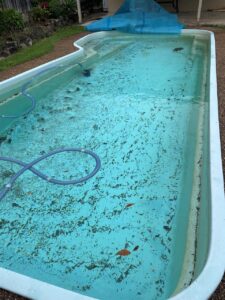
Start by removing all leaves, dirt, and debris from the pool surface and skimmer baskets. Vacuum the pool floor and brush the walls to remove any buildup before winter begins.
Organic debris left sitting in the water can stain pool surfaces and encourage algae growth over time. A clean pool is much easier to maintain during winter.
Balanced water is one of the most important parts of winter pool care. Test and adjust:
Poor water balance during winter can lead to corrosion, scaling, cloudy water, or algae issues. Maintaining balanced chemistry also helps protect your pool equipment and surfaces from unnecessary wear.
Your filter system should be cleaned before reducing filtration times for winter.
Backwash and rinse the filter thoroughly before adding a quality pool clarifier if required.
Remove the cartridge element and give it a deep clean using a suitable filter cleaner or degreaser.
A clean filter improves circulation and helps maintain clear pool water throughout winter.
During winter, most pools only require around 4 to 6 hours of filtration daily, depending on pool size, climate, and surrounding debris.
If you have a salt chlorinator, reduce chlorine output settings to suit the lower chlorine demand in cooler water temperatures.
Adding a winter algaecide can help prevent algae outbreaks while filtration and sanitiser production are reduced.
Phosphate treatments are also highly recommended because phosphates act as a food source for algae. Reducing phosphate levels helps keep pool water cleaner for longer during winter.
Take robotic pool cleaners, suction cleaners, pool toys, vacuum plates, and removable accessories out of the pool before winter.
Cleaning and storing these items properly can help extend their lifespan and reduce unnecessary wear caused by colder weather and chemical exposure.
Even after winterising your pool, ongoing maintenance is still important.
Small problems are far easier and cheaper to fix early before they become major issues.

One of the biggest mistakes pool owners make is shutting down the pool equipment entirely for months. This can lead to seized pumps, algae growth, poor water quality, and expensive repairs.
Cold weather does not stop water chemistry from changing. Regular testing remains essential throughout winter.
Even with good chlorine levels, high phosphate levels can still contribute to algae growth during winter.
Professional pool technicians can help ensure your pool is properly prepared for winter and maintained correctly throughout the colder months. A professional winter pool service may include:
Professional servicing can help prevent costly mistakes and keep your pool swim-ready when summer returns.
Please reach out to Jim’s Pool Care anytime if you need a hand.
Remember, we are always here if you need a hand! 131 546
Get to know our studio before you commit to becoming a regular student. We can’t wait to meet you!