

“Well, This is definitely the best service I’ve ever encountered with a pool Cleaning company. Ricky was absolutely amazing. Was on time, polite and did a wonderful job. I would…

Pool pump repair is often easier, faster, and more affordable when the warning signs are picked up early. Your pool pump plays a major role in keeping water circulating, helping chemicals stay balanced, and supporting overall pool health. When it starts to struggle, the effects can show up quickly, from cloudy water to unusual noises and poor filtration.
For many Australian homeowners, it can be tempting to ignore small changes and hope the issue goes away on its own. But pool pump problems rarely fix themselves. In many cases, acting early can help prevent larger damage to the pump, reduce strain on other equipment, and keep your pool safer and more enjoyable to use.
Below are five of the most common signs that it may be time to arrange a pool pump inspection or repair.

| Sign | What It May Mean | Why It Matters |
|---|---|---|
| Unusual noise | Worn bearings, motor issues, debris, or loose parts | Can point to mechanical failure if ignored |
| Weak water flow | Blockage, leak, failing motor, or impeller issue | Reduces circulation and affects water quality |
| Pump keeps losing prime | Air leak, cracked lid, worn O-ring, or suction problem | Can stop proper circulation and damage the pump |
| Leaks around the pump | Seal failure, cracked housing, or loose fittings | Wastes water and may lead to bigger equipment damage |
| Pump won’t start or keeps cutting out | Electrical fault, overheating, or motor failure | Can leave your pool without filtration entirely |
“Problems are not stop signs, they are guidelines.” – Robert H. Schuller, was an American Christian televangelist, pastor, motivational speaker, and author
A healthy pool pump will make some sound while running, but it should not be loud, rattling, screeching, grinding, or humming excessively. If the noise level has changed noticeably, it is often a sign that something is wrong inside the system.
For example, a grinding noise may point to worn motor bearings. A rattling sound could mean that parts have become loose, or that debris has entered the pump basket or impeller. A loud humming noise may suggest the motor is struggling to start properly.
Noisy operation is more than just annoying. It usually signals extra stress on internal parts, and that stress can lead to bigger and more expensive failures over time. If your pool equipment area suddenly sounds different, it is worth having it checked before the problem worsens.
One of the clearest signs you may need pool pump repair is poor circulation. If you notice weak return jets, reduced suction at the skimmer, or patches of still water in the pool, your pump may not be moving water as it should.
This can happen for several reasons. A clogged pump basket, blocked impeller, dirty filter, suction-side leak, or weakening motor can all reduce water flow. In some cases, the issue may start small and become more obvious over time as the pump struggles harder to do its job.
Poor circulation affects far more than appearance. When water is not moving properly, your sanitiser and chemicals may not distribute evenly. That can lead to cloudy water, algae growth, and surfaces that feel less clean. If your pool suddenly seems harder to maintain even though your chemical routine has not changed, the pump may be part of the issue.
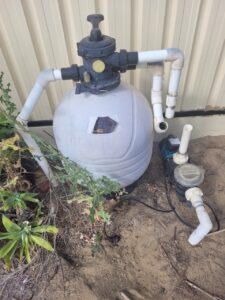
A pool pump needs to stay primed in order to circulate water effectively. When it loses prime, air enters the system and prevents the pump from operating as it should. You may notice the pump basket is not filling fully with water, or that bubbles are returning to the pool through the jets.
There are a few common causes of this problem. A worn lid seal, cracked pump lid, loose fitting, blocked suction line, or low pool water level can all allow air into the system. Even a small air leak can create ongoing performance issues.
A pump that repeatedly loses prime should not be ignored. Running with too much air in the system can reduce efficiency and increase wear on the motor and seals. It can also interrupt filtration long enough for water quality to decline. If reprime attempts only solve the issue temporarily, it is time for a closer look.
Leaks around the base of the pump or nearby plumbing are another common sign that repair may be needed. Some homeowners notice a small puddle near the equipment pad and assume it is just splashback or condensation, but persistent moisture is worth investigating.
Leaks can come from shaft seals, unions, cracked housings, worn gaskets, or loose plumbing connections. While a small drip may not seem urgent, it often gets worse over time. Water escaping from the system can reduce pump performance, waste water, and even affect nearby electrical components if left unresolved.
In some cases, a leak is an early clue that internal parts are deteriorating. Catching the source early can often prevent a more complex repair or the need for full pump replacement later.
If your pump does not start at all, cuts out during operation, or repeatedly trips the circuit breaker, it is a strong sign that something more serious is happening. Electrical issues, overheating, capacitor failure, and motor damage are all possible causes.
Sometimes the problem is intermittent at first. The pump may start in the morning, then shut down later in the day. Or it may need several attempts before it runs. These are signs that should not be brushed aside.
Because pool pumps combine water and electricity, safety matters. Electrical faults should always be assessed carefully. Trying to push a failing pump to keep running can increase the risk of further damage and may leave you with a green or unusable pool sooner than expected.
Many pool owners wait until the pump stops completely before arranging help, but early attention is usually the smarter move. A minor issue such as a worn seal, loose fitting, or blocked impeller can often be resolved more easily than a burnt-out motor or damaged system.
Spotting problems early can help you:
Your pool pump is one of the hardest-working parts of your pool system. When it begins to show signs of trouble, a timely inspection can make all the difference.
“The first step in solving a problem is admitting there is a problem to be solved.” – Pete Seeger, was an American singer, songwriter, musician, and left-wing social activist
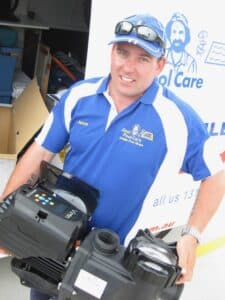
Basic checks such as cleaning the pump basket, confirming the water level, and checking for obvious blockages can be helpful. However, if the problem continues, becomes worse, or involves leaks, priming issues, loud noises, or electrical faults, professional support is the safest next step.
Pool pump issues often start with subtle warning signs before turning into larger problems. Strange noises, weak water flow, loss of prime, visible leaks, and starting problems all suggest that your system may need attention. The sooner these signs are addressed, the better your chance of keeping your pool clean, efficient, and ready to enjoy.
If your pool is showing one or more of these symptoms, arranging a professional inspection now may help you avoid more costly repairs later. A well-functioning pump is essential to a healthy pool, and staying alert to early signs is one of the best ways to protect your investment.
Because every pool system is different, having the problem assessed properly can save time and prevent guesswork. For homeowners who want fast, local help, Jim’s Pool Care can assist with diagnosing pool equipment issues and helping identify whether repair, servicing, or replacement is the most practical option. Book now!

We welcome your questions and feedback. We are here to help!
Some of the most common signs that you may need pool pump repair include unusual noises, weak water circulation, loss of prime, visible leaks around the pump, and a pump that will not start or keeps shutting off. These issues often indicate that your pool pump is no longer operating efficiently and may need professional attention before the damage gets worse.
A loud or unusual noise from your pool pump can be caused by worn bearings, loose internal parts, debris in the impeller, or motor problems. Grinding, rattling, screeching, or humming sounds should not be ignored. In many cases, strange noises are an early warning sign that pool pump repair is needed to prevent further mechanical damage.
Yes, a pool pump may still run even when there is an underlying issue, but that does not mean it is working properly. A pump with reduced flow, air leaks, or electrical problems may continue operating for a while, but it can place extra strain on the motor and other pool equipment. Arranging pool pump repair early can help avoid a complete breakdown.
A pool pump can lose prime when air enters the system through a worn O-ring, cracked pump lid, loose fitting, blocked suction line, or low pool water level. When this happens, the pump struggles to move water efficiently. If your pump keeps losing prime, it is a clear sign that the system should be checked for faults or leaks.
No, a pool pump should not have ongoing leaks. Water around the pump may point to a worn shaft seal, damaged gasket, cracked housing, or loose plumbing connection. Even a small leak can lead to reduced performance and bigger equipment issues over time. If you notice consistent moisture or pooling water, it may be time for pool pump repair.
Whether you should repair or replace your pool pump depends on the age of the unit, the type of fault, and the overall condition of the equipment. Minor issues such as seal failures, blockages, or worn fittings can often be repaired. However, if the motor is badly damaged or the pump is older and failing repeatedly, replacement may be the better long-term option.
Ignoring pool pump issues can lead to poor water circulation, cloudy water, algae growth, chemical imbalance, and extra wear on your pool system. Small issues can quickly turn into larger and more expensive repairs. Acting early when you notice signs of pool pump repair can help protect your pool and reduce long-term maintenance costs.
You should call a professional if your pool pump is making unusual noises, leaking, losing prime, tripping power, or not circulating water properly. While basic checks like cleaning the basket or checking the water level can help, persistent problems usually need expert diagnosis. A professional can identify the cause and recommend the most practical repair solution.
If your pool pump is showing warning signs, don’t wait for a full breakdown. Book now with Jim’s Pool Care.
Get to know our studio before you commit to becoming a regular student. We can’t wait to meet you!