
“Well, This is definitely the best service I’ve ever encountered with a pool Cleaning company. Ricky was absolutely amazing. Was on time, polite and did a wonderful job. I would…


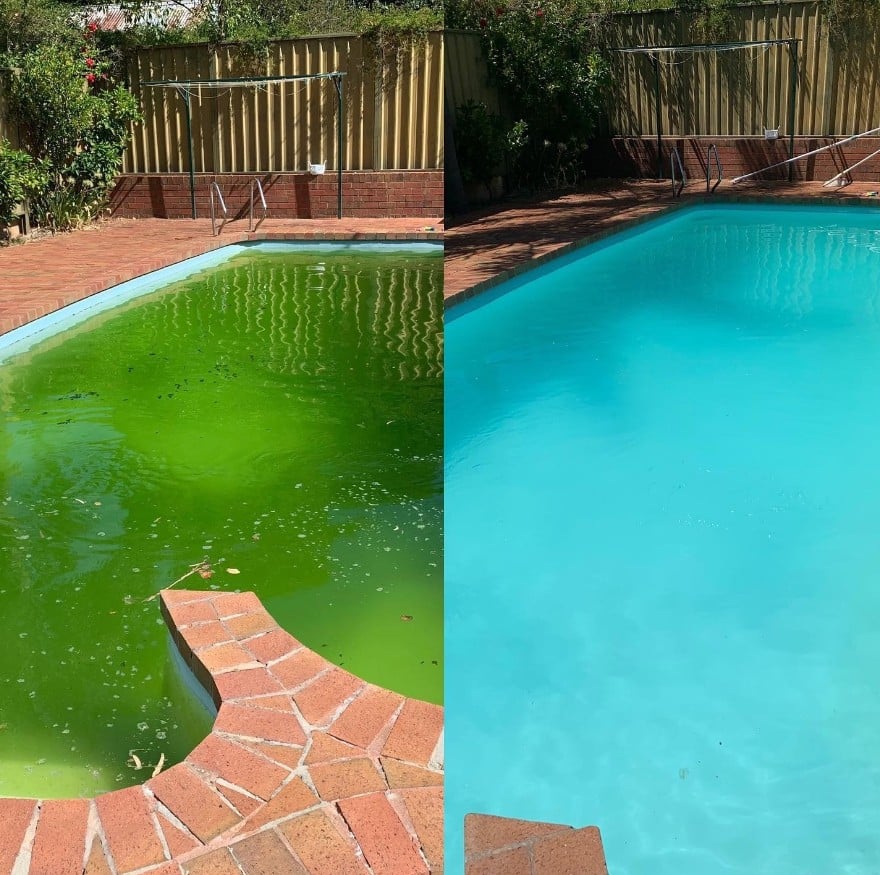
There’s nothing quite like walking into your backyard expecting to see sparkling blue water, only to be greeted by a murky, green mess. A green pool isn’t just an eyesore; it can signal an unhealthy and potentially hazardous environment. Whether caused by algae overgrowth, chemical imbalance, or filtration issues, green pool recovery is no small task.
While some pool owners may attempt to restore their pool themselves, there comes a point when professional help is not just recommended but necessary. In this article, we’ll break down what causes a green pool, how to assess the severity of the issue, DIY steps you can try, and when it’s time to call in the professionals.

The most common culprit of a green pool is algae, a fast-growing organism that thrives in water lacking proper sanitation. However, the root cause usually stems from one or more of the following:
| Cause | Description |
|---|---|
| Low Chlorine Levels | When chlorine drops too low, it fails to kill algae and bacteria. |
| Poor Filtration | A dirty or broken filter allows debris and algae to circulate. |
| Imbalanced pH or Alkalinity | Unbalanced water chemistry reduces the effectiveness of chlorine. |
| Warm Temperatures + Sunlight | Algae blooms rapidly in warm, unshaded environments. |
| Neglected Maintenance | Infrequent cleaning and testing provide perfect conditions for algae growth. |
“The good life demands a lot of maintenance.” — Lisa Wingate, an American Writer
Green pools come in degrees, from mild cloudiness to full-blown swamp. Here’s a quick guide to help determine how serious your problem is:
| Green Pool Level | Appearance | Cause | Potential DIY? |
|---|---|---|---|
| Light Green Tint | Slight discolouration, still see the floor | Low chlorine or early algae | Likely recoverable with shock treatment |
| Mid-Green Cloud | Can’t see the floor clearly | Moderate algae growth | Might recover, but may take several days |
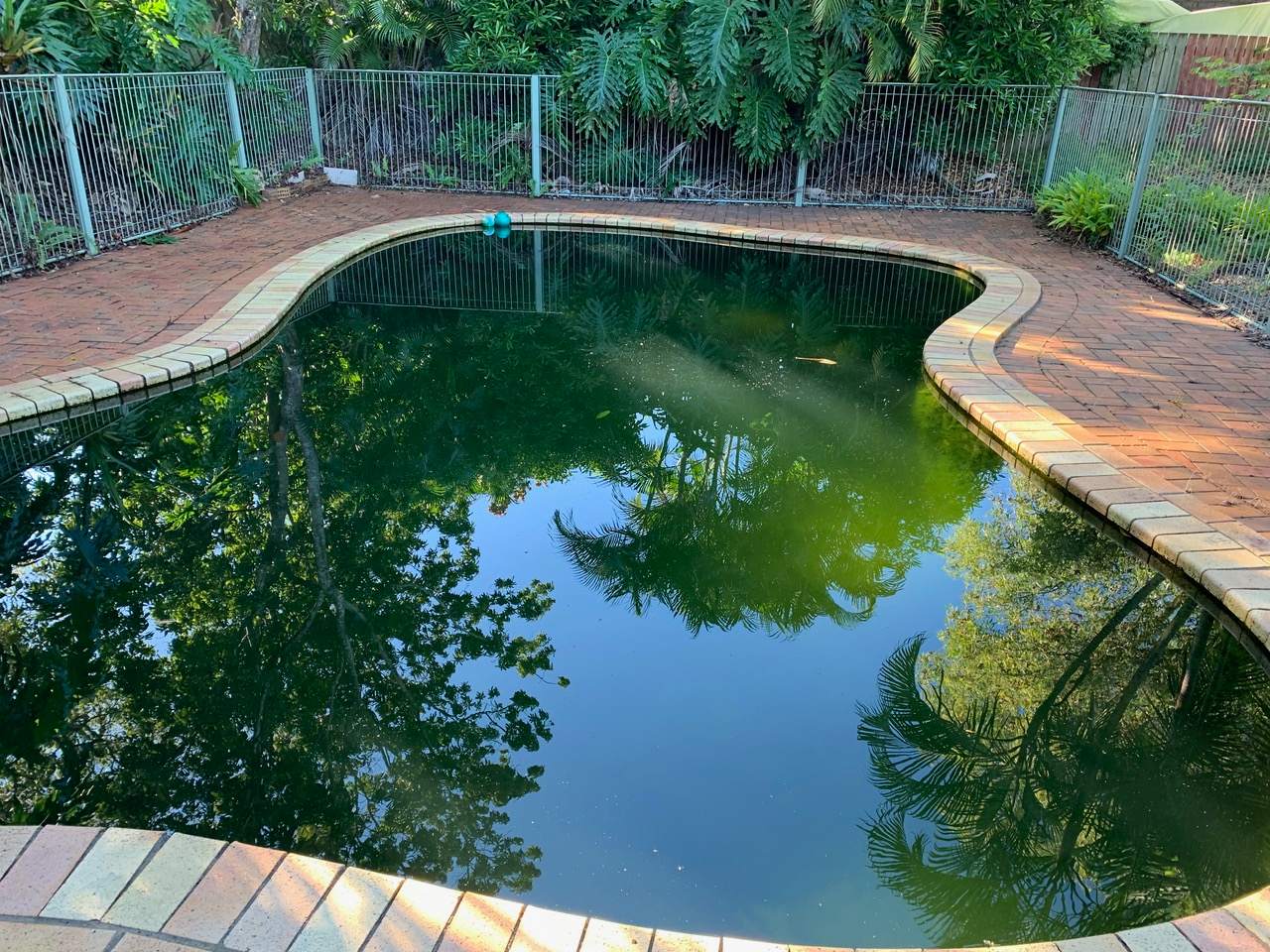
| Dark Green or Black | Thick, opaque water | Advanced algae bloom, debris | Professional intervention highly recommended |
If your pool is still in the early stages of turning green, you may be able to restore it yourself with a bit of effort and patience. Here are the essential steps:
1. Test and Balance Your Water
Start by using a reliable test kit to measure your pool’s pH, alkalinity, and chlorine levels. Bring the pH to around 7.2–7.6 and alkalinity to 80–120 ppm.
2. Shock the Pool
Use a chlorine shock treatment—also known as superchlorination—to kill algae. You may need multiple treatments depending on severity. Add the shock at dusk to prevent UV burn-off. But remember that chlorine, according to a blog by Orenda, can oxidise various things in water, and sometimes, the reactions produce colors in water.
3. Brush and Vacuum
Brush the walls and floor to loosen algae. Then manually vacuum the debris (don’t rely solely on the filter yet). Set your pool filter to “waste” when vacuuming if possible.
4. Run the Filter
Let the filter run continuously for at least 24–48 hours. Check and clean the filter regularly during this time.
5. Add Algaecide (Optional)
An algaecide can help prevent regrowth, but it works best after chlorine has killed most of the existing algae.
Even with the best intentions, green pool recovery can spiral out of control. Here’s when to skip the hassle and call in the experts:
1. You’ve Tried Shock, and It’s Still Green
If multiple rounds of shock treatment haven’t cleared the water, something deeper may be wrong—like a faulty pump, clogged filters, or chemical saturation. A professional will diagnose and resolve the underlying issue.
2. You Can’t See the Bottom of the Pool
If your pool is murky enough that you can’t see the floor, it’s time to get help. You may be dealing with dead algae, organic debris, or even unsafe bacterial growth.
3. You’re Unsure About Water Chemistry
Misjudging pH, alkalinity, or calcium hardness can delay recovery or worsen the condition. A technician can quickly balance water levels using professional-grade testing tools and chemicals.
4. You Have Limited Time or Experience
Green pool recovery is time-consuming. If you’re preparing for a party, selling your home, or simply don’t have the hours or expertise to deal with it, calling a professional saves time and stress.
5. You Suspect Equipment Failure
A green pool may point to malfunctioning pumps, filters, or chlorinators. Technicians can inspect, repair, or replace faulty equipment to prevent future issues.
While homeowners often rely on standard shock and filtration methods, professionals offer more advanced solutions, such as:
| Professional Service | Description |
|---|---|
| Green Pool Assessment | Technicians assess the root cause using water testing and equipment checks. |
| High-Concentration Shock Treatments | Commercial-grade chlorine and flocculants clear up water faster. |
| Manual Debris Removal | Vacuuming to waste, backwashing filters, and physical scrubbing ensure thorough cleaning. |
| System Flush & Filter Service | Cleaning or replacing sand filters, cartridges, or DE grids to restore optimal flow. |
| Preventive Planning | Professionals can set up a regular maintenance plan to stop future algae blooms. |
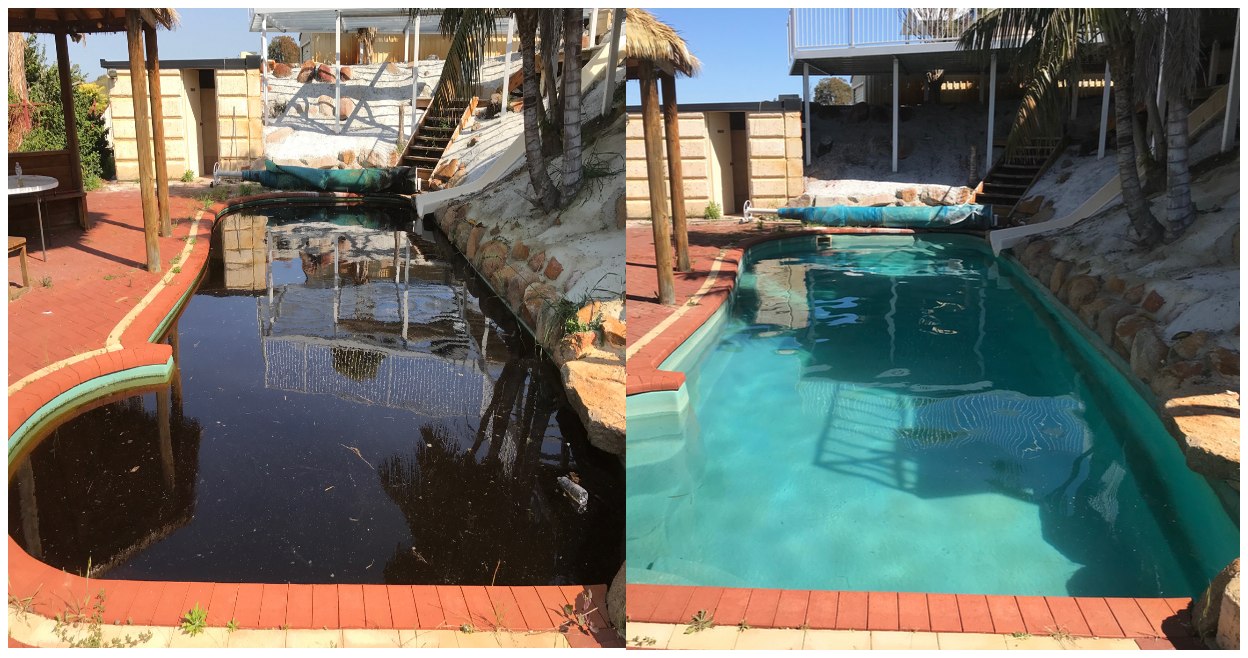
As the blog The Advantages of Professional Pool Cleaning: Why Experts Make a Difference said, professionals make sure no algae or other germs are in the pools so that everyone can be safe while swimming.
The recovery timeline varies based on severity:
| Severity Level | Estimated Time to Clear | Notes |
|---|---|---|
| Light Green Tint | 1 – 2 days | Usually manageable with one shock treatment |
| Moderate Green Cloud | 3 – 5 days | May require brushing, multiple shocks, and filter cleaning |
| Dark Green or Black | 1 – 2 days | Professional intervention usually needed |
“True prevention is not waiting for bad things to happen, it’s preventing things from happening in the first place.” – Don McPherson, an American former professional football quarterback
Prevention is always better than cure. Here’s how to avoid the green monster from reappearing:
Green pool recovery isn’t just a chore, it’s a science. While some cases are minor and manageable with DIY treatment, severe or recurring algae issues can cost more time, effort, and money if left too long. That’s when turning to professional pool care technicians can save the day (and your summer).
If you notice persistent cloudiness, equipment malfunctions, or you’re simply unsure where to start, professional green pool recovery is the fastest and most effective route to getting your pool back to crystal clear.
We welcome your questions and feedback. We are here to help!
A green pool is usually caused by algae growth due to low chlorine levels, imbalanced water chemistry, poor filtration, or neglected maintenance. Warm weather and direct sunlight can accelerate algae blooms, especially if the pool hasn’t been treated or cleaned properly.
Mild green pools may be treatable with DIY methods like shocking, brushing, and running the filter. However, if your pool is dark green, murky, or still green after treatment, it’s best to call a green pool recovery expert to avoid prolonged damage and costly repairs.
The time it takes depends on the severity:
Light green: 1–2 days
Moderate green: 3–5 days
Dark green or black: Up to 1–2 weeks with professional treatment
Proper filtration, chemical balance, and debris removal all impact the recovery timeline.
Experts begin by testing the water, inspecting pool equipment, and identifying the cause. They use high-concentration chlorine, manual vacuuming, system flushing, and specialised chemicals to clear the pool quickly and safely—often faster than DIY methods.
Yes, swimming in a green pool can be unhealthy and unsafe. Algae can host harmful bacteria, and poor water balance may irritate skin and eyes. Always test and treat the water before allowing anyone to swim.
To prevent algae and green water:
Maintain proper chlorine levels
Test water weekly
Run the filter 8–12 hours daily
Brush and vacuum regularly
Schedule seasonal professional servicing
Absolutely. A clogged, broken, or poorly maintained filter won’t remove debris or algae effectively. Regular cleaning or replacement of your filter is crucial for clean, healthy water.
Costs vary based on severity and location, but professional green pool recovery typically ranges from $150 to $600+, depending on whether equipment repairs, multiple treatments, or extensive cleaning are required.
Tired of guessing how to fix your green pool? Let our experts at Jim’s Pool Care handle the mess with fast, affordable service that gets results. Book now and bring your pool back to life!
Get to know our studio before you commit to becoming a regular student. We can’t wait to meet you!