

“Well, This is definitely the best service I’ve ever encountered with a pool Cleaning company. Ricky was absolutely amazing. Was on time, polite and did a wonderful job. I would…

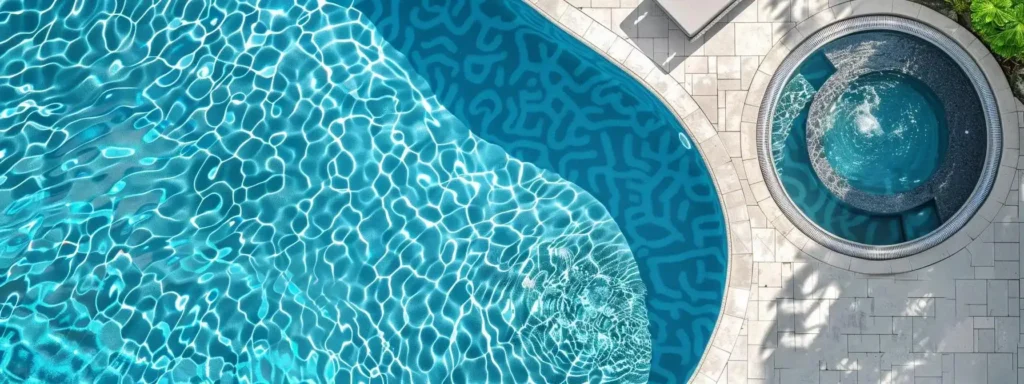
Pool water balancing is one of the most important parts of keeping a saltwater pool clean, clear, and ready to enjoy. Many homeowners and business owners assume that a saltwater pool looks after itself, but that is not quite how it works. While saltwater systems can make pool care easier, the water still needs regular attention to stay healthy, comfortable, and safe for swimmers.
A saltwater pool uses a chlorinator to turn salt into chlorine. That chlorine helps keep the water clean by fighting bacteria, algae, and other unwanted build-up. But even with that system in place, the water can still fall out of balance. When that happens, you may notice cloudy water, a strong smell, itchy skin, scale build-up, or a pool that starts turning green.
That is why regular pool water balancing matters. It helps your saltwater system do its job properly, protects your equipment, and makes swimming far more pleasant.
“Writing is to copyediting what swimming is to pool maintenance.” — Gary Corby, an Australian author

A lot of people choose saltwater pools because they seem easier to manage than traditional chlorine pools. In many ways, that is true. Saltwater systems can reduce the day-to-day effort involved in sanitising the pool. However, they do not remove the need for regular maintenance.
The salt chlorinator helps create chlorine, but it does not fix every water problem on its own. If the water balance is off, the chlorinator has to work harder, and the pool can still run into problems. Over time, this can affect water quality and even lead to wear on important equipment like the chlorinator cell, pump, and filter. Put simply, a saltwater pool is easier to manage when the water is balanced. When it is not, small issues can quickly become bigger and more expensive ones.
You do not need to be a pool expert to understand water balance. In simple terms, balanced pool water means the water has the right mix of essentials so it stays clean, comfortable, and gentle on your pool equipment.
Here is a simple guide to the main things that need checking:
| Pool Water Check | What It Helps With | Why It Matters |
|---|---|---|
| Chlorine level | Keeps water clean | Helps stop algae, bacteria, and cloudy water |
| pH level | Comfort and water quality | Helps stop eye irritation and keeps chlorine working properly |
| Alkalinity | Keeps water stable | Helps stop pH from changing too quickly |
| Calcium hardness | Protects surfaces and equipment | Helps reduce damage, staining and scale |
| Stabiliser | Protects chlorine from sunlight | Helps chlorine last longer in outdoor pools |
| Salt level | Keeps the chlorinator working | Helps the system produce enough chlorine |
You do not need to memorise all of these, but it helps to know they each play a part in keeping your pool in good condition.
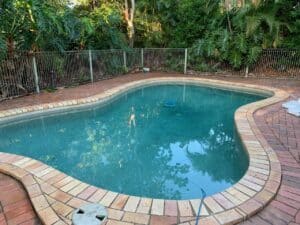
A pool does not always need to look dirty to have a problem. In fact, water can appear fine and still be out of balance. That said, there are some common warning signs to look out for.
If your pool water looks cloudy, feels uncomfortable on the skin, or seems harder to keep clean than usual, the balance may be off. You might also notice a strong chlorine smell, build-up around the pool edge, or your salt chlorinator working harder than normal.
Another common sign is when the pool keeps going green even though the system is running. This can be frustrating for homeowners, especially when they feel like they are doing everything right. In many cases, the problem is not the salt system itself. It is the water balance around it.
Out of all the things that affect pool water, pH is one of the biggest. If the pH is too high or too low, the water becomes harder to manage. According to the blog, 5 Misunderstandings About Swimming Pool pH, pH impacts about everything else in water chemistry, but swimming pool operators, both residentially and commercially, misunderstand it.
When the pH gets too high, chlorine becomes less effective. That means the pool may not stay as clean as it should, even if the chlorinator is running. It can also make the water less comfortable for swimmers and lead to scaling on surfaces and equipment.
Saltwater pools often drift upward in pH over time, which is why they still need regular checking. This is very common and nothing to panic about, but it is one reason saltwater pools are not fully “set and forget.”
Water balance is not just about keeping the pool nice to swim in. It also helps protect the parts of the pool that keep everything running.
When the water is not balanced, it can lead to build-up inside the chlorinator cell and other equipment. This can reduce how well the system works and may shorten the life of important parts. On the other hand, water that is too harsh can also wear down surfaces and cause avoidable damage over time.
For homeowners and business owners, this matters because prevention is usually much cheaper than repairs. A little regular maintenance can help avoid unexpected costs later.
“Maintenance is terribly important.” – Manolo Blahnik, a renowned Spanish luxury footwear designer
The good news is that saltwater pool care does not need to feel overwhelming. The most important thing is staying consistent.
Testing the water regularly helps you catch small changes before they become bigger problems. This is especially useful during summer, after heavy rain, after lots of pool use, or when the weather changes. These are the times when pool water can shift more quickly.
Even if your pool looks fine, regular checks are still worth doing. A clear pool can still have water balance issues developing in the background. The blog Salt Water Pool Maintenance Guide: How to Take Care of a Salt Water Pool suggests that once a week, testing the water, checking the water level and vacuuming the sides and bottom of the pool would be enough.
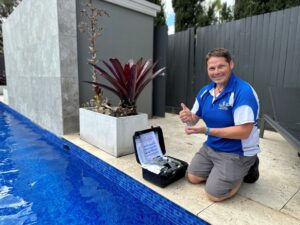
For busy homeowners and business owners, professional pool servicing can also make life easier. Having someone monitor the water, clean the pool, and check the equipment can save time and take the guesswork out of ongoing maintenance.
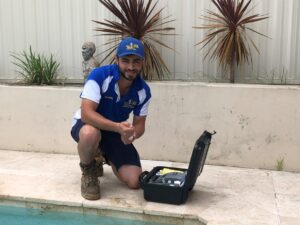
There is nothing wrong with handling basic pool care yourself, but sometimes it helps to bring in an expert, especially if the pool keeps going cloudy, green, or out of balance.
A professional can spot issues early, test the water properly, and make sure the system is working as it should. This can be especially useful if you have a larger pool, limited time, or simply want the peace of mind that comes with knowing the pool is being looked after correctly.

Saltwater pools are a great option for many homes and properties, but they still need regular care to stay in top condition. Good pool water balancing helps keep the water clean, comfortable, and easier to manage. It also supports your salt system, helps protect your equipment, and can save you money over time by reducing the risk of bigger issues.
For homeowners and business owners, the goal is simple: keep the pool looking good, feeling great, and working the way it should. And when you need support, expert help is always worth considering.
If your saltwater pool needs professional attention, Jim’s Pool Care can help with servicing, maintenance, water testing, equipment support, and green pool recovery. You can book a service here, book now.
We welcome your questions and feedback. We are here to help!
Pool water balancing means keeping your pool water at the right levels so it stays clean, clear, safe, and comfortable to swim in. In a saltwater pool, this includes managing things like chlorine, pH, alkalinity, calcium hardness, stabiliser, and salt levels. Even though a saltwater system helps produce chlorine automatically, the water still needs regular balancing to protect swimmers, pool surfaces, and equipment.
Pool water balancing is important because a saltwater chlorinator works best when the water is properly balanced. If the water is off, you may end up with cloudy water, algae growth, skin or eye irritation, and scale build-up on your pool equipment. Balanced water helps your pool stay easier to maintain and can also extend the life of your chlorinator, pump, and filter.
You should check pool water balancing regularly to keep your saltwater pool in good condition. Many pool owners test the water at least once a week, especially during summer or periods of heavy pool use. It is also a good idea to check the water after rain, heatwaves, or if the pool starts looking cloudy or green. Regular testing helps catch small issues before they become bigger and more expensive problems.
Yes, a saltwater pool can still go green if the water is not balanced properly. A saltwater system may produce chlorine, but if the pH is too high, the salt level is off, or the chlorine is not working effectively, algae can still grow. This is why pool water balancing is essential even in pools with a salt chlorinator. A balanced pool is much easier to keep clear and healthy.
Common signs of poor pool water balancing include cloudy water, a green tint, strong chlorine smell, eye or skin irritation, slippery surfaces, or visible scale around the pool and equipment. You may also notice that your chlorinator seems to be working harder than usual or that the pool is becoming harder to keep clean. These signs often mean the water needs testing and adjustment.
Yes, pool water balancing plays a big role in protecting your pool equipment. When water is not balanced, it can cause build-up inside the chlorinator cell, damage pool surfaces, and put extra strain on your pump and filter. Over time, this can lead to avoidable repairs or replacements. Balanced water helps your whole saltwater system run more smoothly and efficiently.
A saltwater pool is often easier to manage day to day because the system generates chlorine for you, but it still needs regular care. Pool water balancing is still necessary to keep the water healthy and the equipment working properly. Saltwater pools are not maintenance-free, but with regular testing and servicing, they can be simpler and more convenient for many homeowners and business owners.
You should consider professional help if your pool keeps going green, looks cloudy, feels uncomfortable to swim in, or is difficult to keep balanced. A pool professional can test the water properly, identify the cause of ongoing issues, and make the right adjustments. Professional support is especially useful for busy homeowners and business owners who want reliable results without the guesswork.
Want clear, healthy pool water without the stress? Book a service with a Jim’s Pool Care technician today and take the guesswork out of pool water balancing.
Get to know our studio before you commit to becoming a regular student. We can’t wait to meet you!