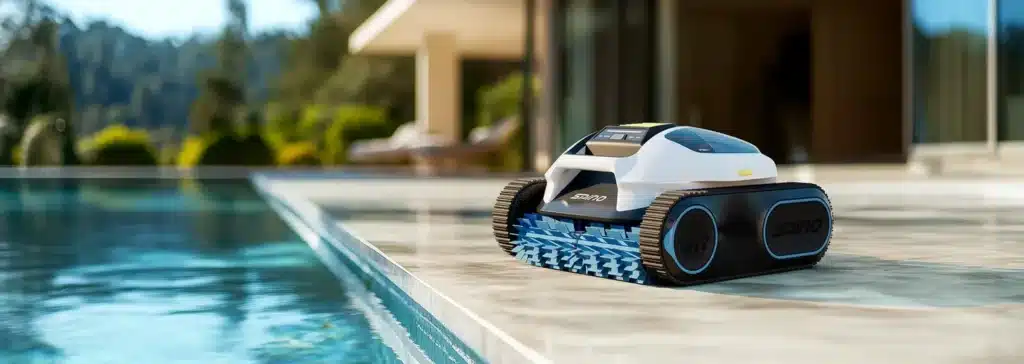
Robotic pool cleaners are a game-changer for Australian homeowners, turning a tedious weekend chore into a hands-free, automated breeze. These high-tech devices act like a smart vacuum for your backyard oasis, effortlessly scaling walls, scrubbing waterlines, and trapping debris. However, because they are advanced pieces of machinery constantly exposed to water, pool chemicals, and intense UV rays, they require a bit of regular upkeep to stay in peak condition.
Investing in a premium pool robot saves you time and energy, but only if the unit lasts. With proper care, a high-quality automatic cleaner can easily keep your pool crystal clear for seven years or more. According to a blog by Maytronics, while robotic pool cleaners have state-of-the-art technology, maintaining them does not need to be as complicated as rocket science.
If you want to maximise your investment and keep your equipment running smoothly season after season, here is a comprehensive guide on how to maintain your robotic pool cleaner for ultimate longevity.

1. Clean the Filter Basket After Every Single Cycle
The filtration system is the heart of all robotic pool cleaners. As the unit moves across your pool floor, its internal pump pulls water through a mesh filter basket or cartridge to trap leaves, sand, dirt, and fine silt.
If you leave debris inside the basket between uses, the trapped material dries out, hardens, and clogs the mesh. During the next cleaning cycle, a clogged filter restricts water flow. This forces the internal motor to work twice as hard to maintain suction, leading to overheating and premature motor failure.
- The Fix: Make it a habit to remove the cleaner from the water as soon as its cycle is complete. Open the debris compartment, empty the contents into the bin, and use a garden hose to rinse the filter panels thoroughly until the water runs clear.
2. Never Leave the Cleaner in the Pool Long-Term
It can be incredibly tempting to leave your robot sitting at the bottom of the deep end, ready for its next scheduled run. However, treating your cleaner like a permanent pool fixture is one of the fastest ways to shorten its lifespan.
Pool water contains active chemicals like chlorine, salt, and acid, which are designed to break down organic matter. Over time, constant submersion in these chemicals will degrade plastic housings, erode rubber tracks, and slowly compromise the watertight rubber seals protecting the motor and internal electronics. Once water breaches those seals, the machine is usually beyond repair. Most robotic pool cleaners, according to a blog by Aiper, are designed to perform a specific cleaning cycle, and then be removed.
Pro Tip: Always remove your pool cleaner from the water once the cleaning cycle finishes. Allow the excess water to drain out completely while holding the unit by its handle before storing it away.
3. Manage the Floating Cable Correctly
For corded robotic pool cleaners, the floating power cable is a frequent point of failure. As the robot navigates the twists and turns of your swimming pool, the cable naturally develops twists. If left unchecked, these twists turn into hard kinks and tight knots that restrict the robot’s movement, preventing it from reaching the opposite side of the pool.
More importantly, pulling the unit out of the pool by its cord rather than its built-in handle puts immense structural strain on the internal copper wiring. This can snap the delicate electrical connections inside, rendering the entire power cord useless.
- To prevent this: Regularly lay the cable completely flat out on the lawn or pool deck in the sun for an hour. The warmth of the sun relaxes the plastic “memory” of the cord, making it easy to untangle. When storing the cable, coil it loosely in large, gentle loops rather than wrapping it tightly around the power supply box.
The Ultimate Robotic Pool Cleaner Maintenance Schedule
To help you keep track of your equipment maintenance, follow this simple checklist to protect your investment throughout the swimming season:
| Frequency | Maintenance Task | Purpose |
|---|---|---|
| After Every Use | Empty and rinse the filter basket / cartridges. | Maintains strong suction and prevents motor strain. |
| After Every Use | Rinse the entire unit with fresh, clean water. | Removes corrosive chlorine, salt, and chemical residues. |
| Weekly | Inspect brushes and tracks for tangled hair or debris. | Ensures optimal traction and wall-climbing ability. |
| Monthly | Inspect the power cord for frays, kinks, or exposed wires. | Ensures electrical safety and prevents power failure. |
| Monthly | Check the water balance before dropping the unit in. | High chlorine or low pH levels degrade plastic and seals. |
| Off-Season | Clean thoroughly, dry completely, and store indoors. | Prevents mold growth and protects against freezing temperatures. |
4. Keep an Eye on Brushes, Wheels, and Tracks
Your automatic cleaner relies on rubber tracks or rugged wheels to navigate underwater surfaces, alongside active scrubbing brushes to loosen stubborn algae and dirt. Because these parts are constantly grinding against rough pebblecrete, fiberglass, or vinyl liners, they naturally experience wear and tear.
Hair, string, and long eucalyptus leaves can easily wrap around the wheel axles and brush rollers. This creates friction, making it difficult for the parts to rotate and placing unnecessary strain on the drive motor.
- What to do: Once a week, flip the unit over and manually spin the brushes and wheels. If you notice any tangled debris, use a pair of scissors to carefully snip it away. If the rubber tracks look loose, cracked, or have lost their treading, replace them promptly to ensure the unit doesn’t lose its wall-climbing efficiency.
5. Store the Unit Safely Out of the Australian Sun
Australia experiences some of the harshest UV radiation in the world. Leaving your robotic pool cleaners sitting out on the open pool deck exposes the plastic components to intense sunlight, which fades the colors, makes the outer shell brittle, and degrades the rubber components over time.
Ideally, you should store your robot on a dedicated caddy or stand. A caddy keeps the unit elevated, ensuring that the heavy weight of the machine doesn’t sit directly on the rubber scrubbing brushes, which can flatten and deform them over a few months of storage. Keep the caddy parked inside a shaded garage, garden shed, or a well-ventilated pool equipment enclosure.
When to Call in the Professionals
While routine home care keeps your automated equipment in top shape, some situations require an expert eye. If you notice your cleaner moving slower than usual, losing its suction power despite clean filters, or failing to climb the pool walls, it may be experiencing an internal issue.
Whenever you run into complex equipment issues or notice your overall pool health slipping, a quick chat with a professional team can save you hundreds of dollars in replacement costs. Jim’s Pool Care offers a fast response and mobile pool shop convenience right to your doorstep. Rather than dragging your heavy equipment to a storefront, their customer-oriented technicians come directly to your home with a fully stocked van, offering expert pool servicing, equipment diagnostics, and genuine replacement parts at great prices.
By catching minor wear and tear early through professional pool maintenance, you can protect your high-tech gear and enjoy a sparkling, stress-free swim all year long.
For your pool maintenance needs, reach out to Jim’s Pool Care today!
Frequently Asked Questions
With proper care, high-quality robotic pool cleaners last 5 to 7 years. Regularly rinsing the filters, storing the unit in the shade, and keeping it out of harsh chemicals can easily push its lifespan past the 7-year mark.
No. Constant submersion exposes the machine to corrosive chlorine and salt. Over time, these chemicals degrade the plastic casing, rubber tracks, and watertight motor seals. Always remove the unit once its cleaning cycle is finished.
Empty and rinse the filter after every single use. Allowing debris to dry and clog the mesh restricts water flow, forcing the pump motor to work twice as hard, which leads to overheating and premature failure.
This is usually caused by a clogged filter basket reducing suction, worn rubber tracks losing their grip, or a slick layer of algae on the pool walls preventing the unit from climbing.
Never pull the unit by its cord; always use the handle. Regularly lay the cable flat out in the sun for an hour to relax the plastic, then store it coiled loosely in large, wide loops to prevent twists.
No. Wait 24 to 48 hours after chemical shocking. The extreme concentrations of chlorine will rapidly bleach the plastic and destroy the sensitive rubber seals protecting the motor block.
Inspect parts seasonally. Generally, rubber tracks and filter baskets last 2 to 3 seasons, while active scrubbing brushes last 1 to 2 seasons before needing replacement to prevent motor strain.
Clean the unit, let it dry completely, and store it indoors (like a garage or shed) away from frost and UV rays. Ideally, use a caddy to prevent the machine’s weight from flattening the scrubbing brushes.
Is Your Pool Robot Acting Up? Get a Free Diagnostic! Don’t wait for minor motor strain to turn into an expensive replacement. The local, owner-operated team at Jim’s Pool Care brings the pool shop right to your driveway. We’ll test your equipment, inspect your water balance, and keep your gear running like new.