A backyard pool is one of the best parts of Australian home life, and it comes with real responsibility. The most valuable pool safety tips apply in every season, not just the summer holidays, because the risks around water never fully take a break. Drowning is quick and silent, and children aged 0 to 4 face the highest risk of any age group. Keeping them safe comes down to two things working together: active supervision and a well-maintained pool barrier. This guide covers how to keep your pool secure right through summer, autumn, winter, and spring.
“Supervision is the single most important thing you can do to keep your children safe around water.” – Royal Life Saving Society Australia

Start With a Safety Audit Before Adding Barriers
Before spending money on covers, alarms, or new fencing, take stock of what you already have. A pool that looks secure can still hide a gap a toddler could squeeze through, so a quick safety audit shows you where the real weaknesses are. Check your fence height, look for gaps underneath, test whether the gate self-closes and self-latches every time, and note the sightlines from the house to the water.
Before securing a pool, it helps to gather:
- A clear inspection of fence height, gaps, and self-closing gate function.
- An understanding of your current water clarity and equipment condition.
- A shortlist of upgrades, such as covers, alarms, or isolation fencing.
- A free quote from a trusted provider so you can compare options and costs.
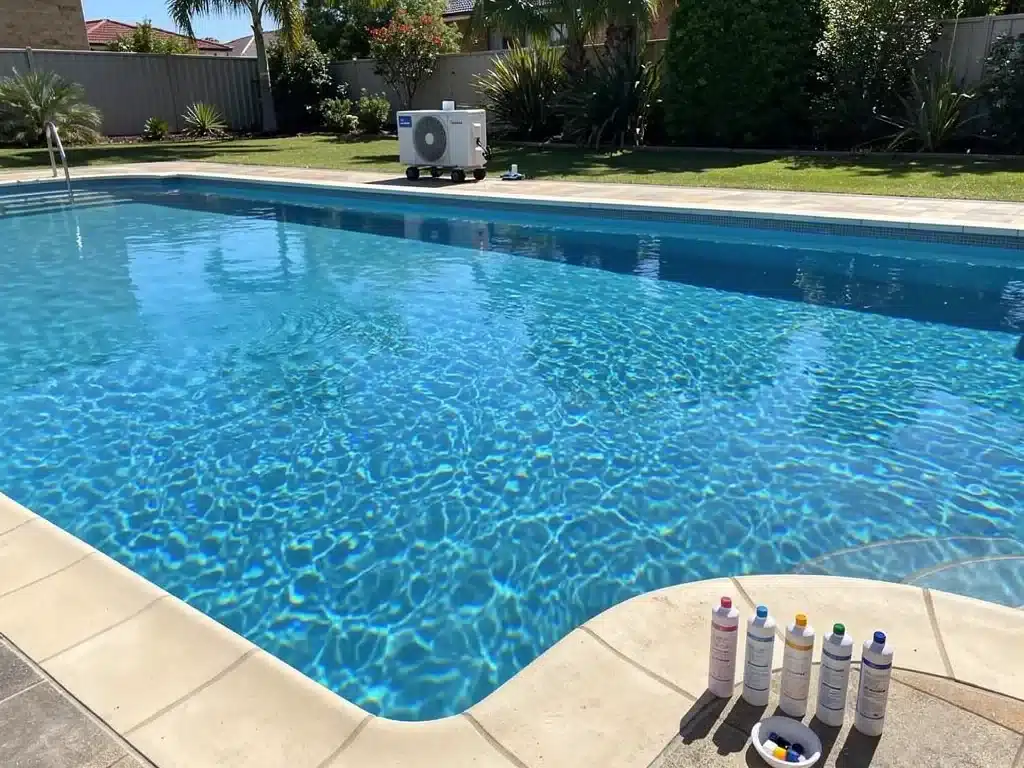
Water clarity matters more than people expect. If you cannot see the bottom of the pool, you cannot see a child who has fallen in, which is one reason staying on top of your pool maintenance is part of safety, not separate from it.
The Essential Safety Steps for Every Pool
Royal Life Saving’s Keep Watch program sums up prevention in four actions: supervise, restrict, teach, and respond. Together they close the gaps that cause most backyard incidents.
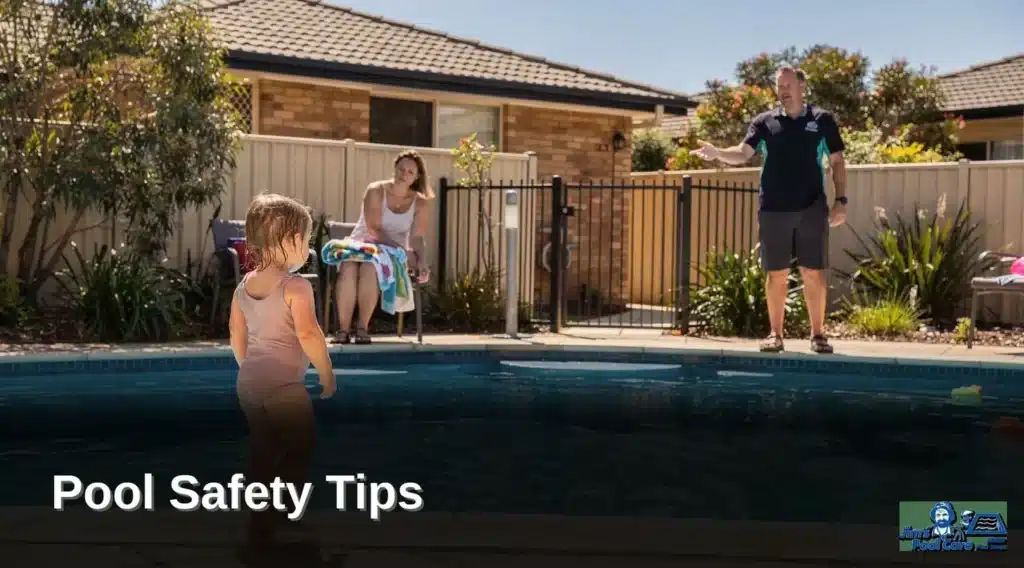
Supervise. Assign one adult as the active supervisor whenever children are near water. Active supervision means eyes on, hands on, and staying within arm’s reach of young children. Distraction is a leading factor in home pool drownings, so the supervisor should not be the same person answering the door or minding another child.
Restrict. Keep a compliant pool fence between children and the water, and never prop the gate open. Inspect the fence and gate monthly, checking hinges, latches, and self-closing mechanisms for wear. Book a pool safety inspection with a qualified technician to review your barriers and equipment together.
Teach and respond. Help children build water confidence through swimming lessons, and learn CPR so you can act in an emergency. Keep a current CPR sign visible poolside and call 000 immediately if something goes wrong. You can find the full Keep Watch actions on the Royal Life Saving website.
Australian Pool Barrier Safety Essentials
Fencing laws differ across states and territories, but these general guidelines apply almost everywhere. Always confirm the exact rules with your state government or a licensed inspector, since some regions require mandatory inspections or a safety certificate when you sell or lease.
| Safety Feature | General Guideline | Why It Matters |
|---|---|---|
| Fence height | At least 1200mm | A lower fence gives a determined child something to climb. |
| Gaps below the fence | No greater than 100mm | Stops a small child from squeezing underneath. |
| Non-climbable zone | 900mm clear of climbable objects | Removes footholds like pots, chairs, and ladders. |
| Gate | Self-closing and self-latching, opening away from the pool | Shuts every time, even when someone forgets. |
| CPR sign | Current and clearly visible | Puts life-saving steps within reach in an emergency. |
Common Pool Safety Mistakes to Avoid
Complacency is the most common backyard pool error. Familiar surroundings feel safe, but familiarity does nothing to lower the risk to a curious toddler. A second frequent mistake is treating barriers as optional extras rather than essential equipment.
Watch out for these traps:
- Assuming a quick glance replaces active supervision.
- Leaving pool toys in or beside the water, where they tempt children to reach in.
- Letting pots, chairs, or ladders sit near the fence, giving little climbers a foothold.
- Relying on a pool cover as a substitute for fencing rather than an addition to it.
How Pool Safety Changes Through the Seasons
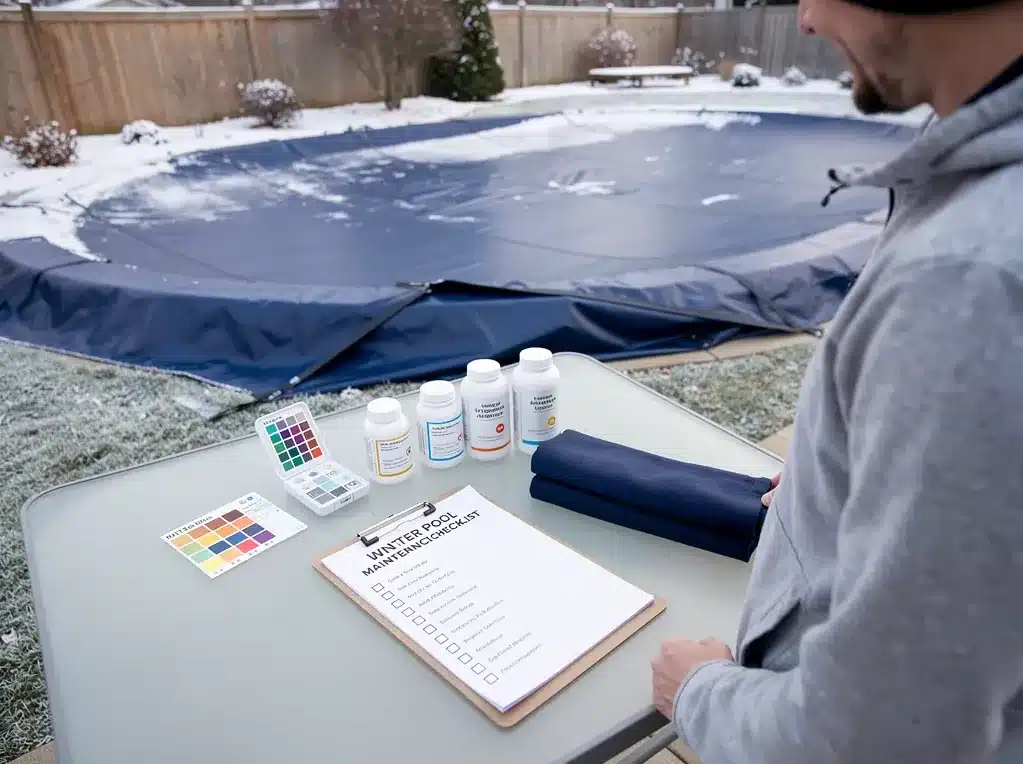
Risk does not stay level all year, so your habits should shift with it. In summer, pools see their heaviest use and the most visitors, and around a third of young child drownings happen between December and February, so a single designated supervisor at every gathering matters most now. In autumn, fallen leaves cloud the water and settle on covers, so clear them regularly to keep the pool floor visible. In winter, the pool may sit unused, but the fence must stay compliant and the water clear enough to see the bottom, because a child’s curiosity does not switch off in the cold. In spring, re-inspect every barrier after winter storms and restore water clarity before the first swim of the season.
Keeping Your Pool Safe All Year
Good pool safety tips come down to a simple, year-round routine: supervise actively, keep your barrier compliant, maintain clear water you can see through, and know your CPR. None of these takes a season off, and together they protect the people who matter most.
If you would like a professional eye over your setup, our local, owner-operated technicians at Jim’s Pool Care can inspect your fencing, gates, and pool condition together. As a fully mobile pool shop, we come to you, backed by fast response and honest advice. Book now or request a call today.
Frequently Asked Questions
Active supervision. Keep young children within arm’s reach whenever they are near water. No barrier or device replaces a watching adult.
Yes. Any water 30cm or deeper must be fenced under state or territory law. The exact rules vary, so check your local government requirements.
Generally at least 1200mm, with no gaps over 100mm underneath and a non-climbable zone around it. Confirm the precise rules for your state.
They are drawn to water before they understand the danger, and they drown quickly and silently, often without a splash or a cry for help.
No. Covers help but are not a substitute for compliant fencing and supervision. A child can still slip under or onto a cover.
Do a visual check monthly, and book a professional inspection to catch faults you might miss. Never leave the gate propped open.
Yes. Barriers must stay compliant year-round, and murky off-season water can hide a child who has fallen in. Safety does not pause in the cold months.
Get the child out, call 000, and start CPR. Keeping a current CPR sign visible poolside helps anyone respond quickly.
Not sure your pool would pass a safety check? Our licensed inspectors at Jim’s Pool Care can review your fencing, gates, and CPR signage, and issue a pool safety certificate where your state requires one. Book an inspection today!