

“Well, This is definitely the best service I’ve ever encountered with a pool Cleaning company. Ricky was absolutely amazing. Was on time, polite and did a wonderful job. I would…

Your pool’s filter acts like the kidneys of the entire system, removing dirt, debris, and microscopic contaminants. They are in fact described by the blog, Understanding the Basics of Pool Filters, as the unsung heroes of the backyard oasis.
Neglecting filter maintenance can lead to:
A clean filter, according to the blog, How Often Should You Clean Your Pool Filter?, is crucial for ensuring that your pool’s water is clear, hygienic, and enjoyable for swimming. Keeping the filter in top shape is also a way to protect your investment.
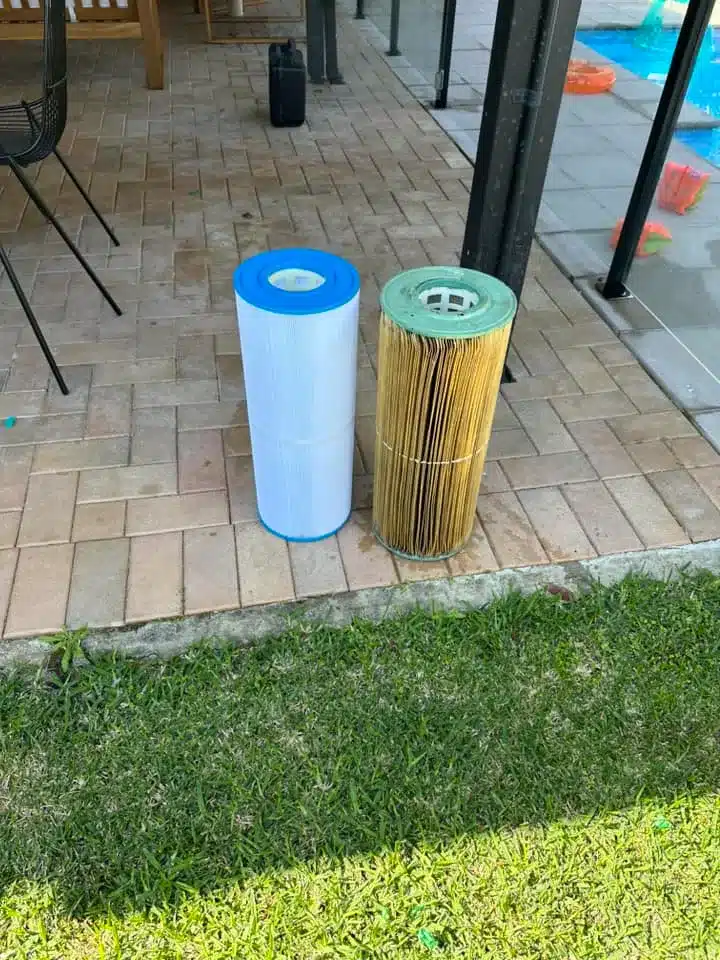
Before diving into maintenance steps, it’s important to know which type of filter your pool uses. Each type has unique cleaning requirements.
| Filter Type | How It Works | Maintenance Frequency | Pros | Cons |
|---|---|---|---|---|
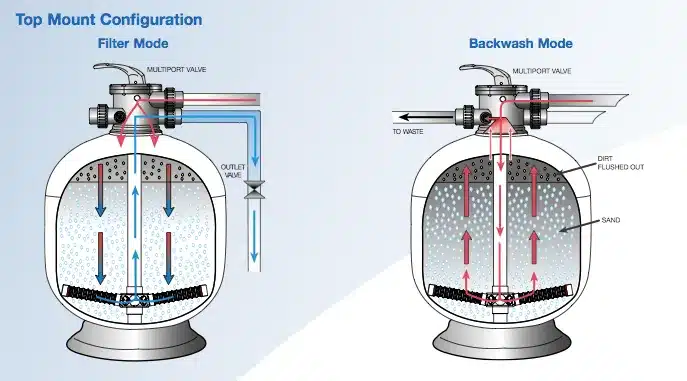
| Sand Filter | Water passes through sand to trap dirt and debris. | Backwash every 1–2 weeks; replace sand every 5 years. | Affordable, easy to use. | Less effective for fine particles. |
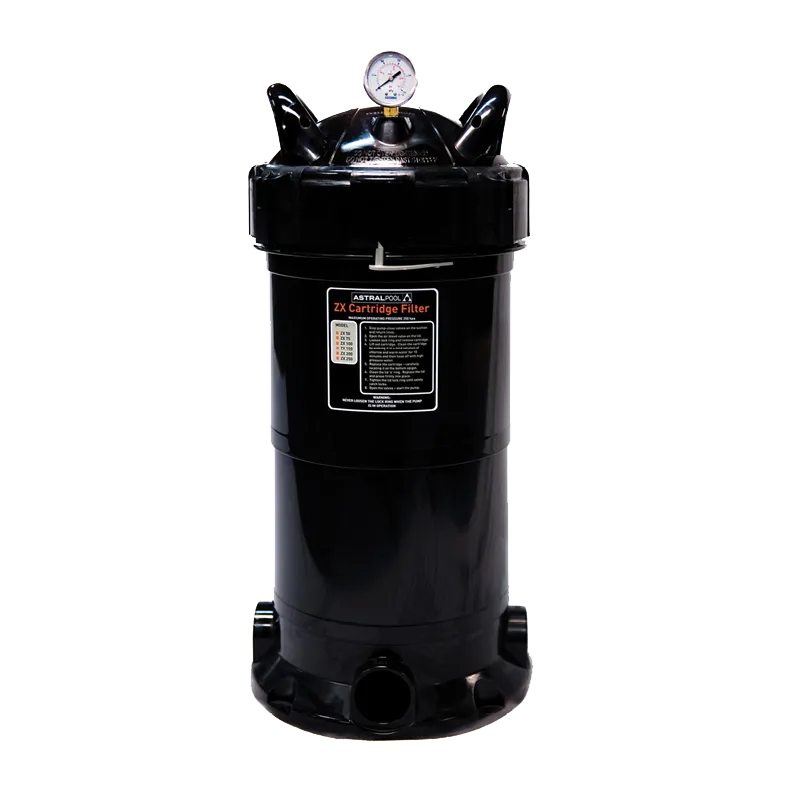
| Cartridge Filter | Water flows through pleated cartridges that trap debris. | Clean every 2–6 weeks; replace cartridges every 2–3 years. | Excellent at filtering fine particles, energy efficient. | Cartridges can be costly to replace. |
| Diatomaceous Earth (DE) Filter | Uses a fine powder coating (DE) on grids to filter tiny particles. | Backwash monthly; replace DE powder after each backwash. | Best filtration quality, keeps water crystal clear. | More maintenance-intensive, higher cost |

No matter the type of filter, a regular routine ensures peak performance. Here’s how to keep yours in good condition.
Poorly balanced water can cause buildup inside your filter. Regularly test and adjust:
At least once a year, conduct a thorough check (or call in a technician) to ensure your filter, pump, and pipes are free of cracks, leaks, or blockages.
Even with good maintenance, issues can arise. Here are some common problems and how to address them:
To make things easier, here’s a quick maintenance checklist:
“Maintenance is terribly important.” – Manolo Blahnik, a Spanish fashion designer
While most pool owners can handle basic filter cleaning, there are times when professional assistance is the smartest option. If you notice persistent cloudy water, strange noises from the pump, or recurring algae blooms, calling a pool technician can save you hours of frustration.
In Australia, many homeowners trust local, owner-operated pool care services that can provide fast response times, regular servicing, and expert advice. This kind of support not only keeps your pool filter in peak condition but also ensures you’re never caught off guard by unexpected problems.
Pool filter maintenance doesn’t have to be complicated. By understanding your filter type, following a regular cleaning schedule, and keeping an eye on water chemistry, you can enjoy a safe, sparkling pool year-round. With a little consistency, you’ll avoid costly repairs and extend the life of your entire pool system.
And if you ever feel unsure about tackling pool filter maintenance on your own, remember that help is just a phone call away. Local technicians are always ready to assist so you can spend less time worrying and more time enjoying your pool.
Ready to keep your pool filter in top condition? Book now for a friendly chat with a pool care professional and enjoy crystal-clear water all season long.
We welcome your questions and feedback. We are here to help!
Pool filter maintenance is the process of cleaning, checking, and replacing parts of your pool filter to ensure it runs effectively. Regular upkeep removes dirt, debris, and bacteria, keeping your water crystal clear and safe for swimming. Neglecting maintenance can lead to cloudy water, algae growth, and higher repair costs.
The frequency of cleaning depends on the type of pool filter:
Sand filters – Backwash every 1–2 weeks.
Cartridge filters – Rinse every 2–6 weeks.
Diatomaceous Earth (DE) filters – Backwash monthly and replace DE powder after each cleaning.
Check your filter’s pressure gauge weekly — if pressure rises 8–10 psi above normal, it’s time to clean.
Common signs your pool filter needs attention include:
Cloudy or murky water
Algae growth
Higher than normal pressure readings
Weak water circulation
Strange noises or leaks from the filter system
Yes, most pool filter maintenance tasks like backwashing, rinsing cartridges, and monitoring pressure can be done by homeowners. However, annual inspections or complex issues (like leaks or pump problems) are best left to professional pool technicians.
If you skip pool filter maintenance, dirt and debris will clog the system. This can result in cloudy water, poor sanitation, damaged equipment, and higher energy bills. Long-term neglect may also shorten the lifespan of your pool pump and filter system.
Sand filters: Replace sand every 4–5 years.
Cartridge filters: Replace cartridges every 2–3 years.
DE filters: Replace grids every 7–10 years, with DE powder added after each backwash.
Following this schedule ensures your pool stays clean and energy efficient.
Sand filters use sand to trap debris and are affordable but less effective on fine particles.
Cartridge filters use pleated cartridges, offering finer filtration and efficiency.
DE filters use diatomaceous earth powder for the clearest water, though they require more maintenance.
Hiring a professional pool technician is recommended if you’re dealing with recurring cloudy water, leaks, or pump issues. Professionals can also perform seasonal servicing, saving you time and ensuring your pool equipment lasts longer.
Want crystal-clear water without the hassle? Let our local pool care experts handle your filter maintenance. Book your pool service with Jim’s Pool Care now and enjoy worry-free swimming!
Get to know our studio before you commit to becoming a regular student. We can’t wait to meet you!