

“Well, This is definitely the best service I’ve ever encountered with a pool Cleaning company. Ricky was absolutely amazing. Was on time, polite and did a wonderful job. I would…

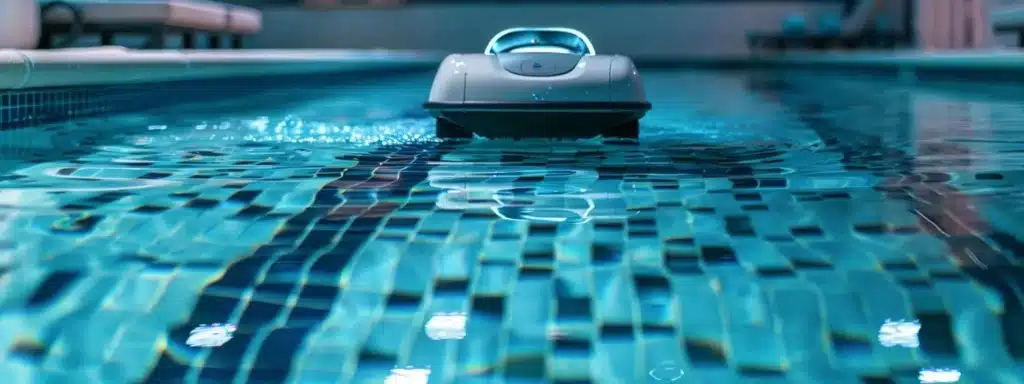
Robotic pool cleaners are one of the simplest ways to keep your pool consistently clean with less effort, fewer “oops” moments, and better day-to-day water quality.
If you’ve ever stood poolside wondering why the “cleaner” didn’t actually clean much (or why your pump sounded like it was working overtime), you’re not alone. Pool cleaning terminology gets confusing fast, especially when people mix up robotic cleaners with suction or pressure cleaners, or assume all robots are the same.
This guide breaks down what matters most so you can confidently choose the right robotic cleaner for your pool, your lifestyle, and your budget without buying features you don’t need.
“If the quality is there, the consumer will want it, buy it and pay for it.” – Frank Perdue

A robotic pool cleaner is a self-contained electric unit that moves around your pool and collects debris using its own motor and internal filter. Unlike suction or pressure cleaners, it doesn’t rely on your pool pump to function.
Why this matters: A robot can reduce load on your pool filtration system because it handles debris separately, often meaning less backwashing/cleaning the main filter and better overall efficiency. Additionally, according to the blog, Can A Pool Cleaning Robot Really Eliminate Having To Vacuum Your Pool?, investing in pool robot does have a big payoff in terms of dramatically reducing the amount of time and effort spent in pool maintenance.
| Cleaner Type | Powered By | Debris Collection | Best For | Common Watch-outs |
|---|---|---|---|---|
| Robotic | Electricity (corded or cordless) | Internal basket/cartridge | Most pools, convenience, fine + large debris | Higher upfront cost; needs lifting/cleaning basket |
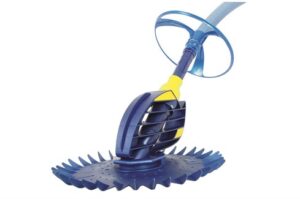
| Suction | Pool pump suction | Goes to your pool filter | Smaller debris, budget setups | Can reduce circulation/skimming while running |
| Pressure | Return pressure (sometimes booster pump) | External bag | Leaves and larger debris | Booster pump can increase running costs |
“Consumers do not buy products. They buy product benefits.” — David Ogilvy
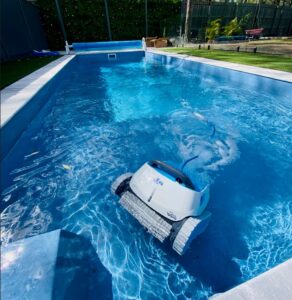
Not all robots behave the same on different pool finishes.
Also consider pool shape:
Example: If you’ve got a modern pool with bench seating, you’ll want a robot with reliable turning and wall coverage, otherwise you’ll still be brushing those areas by hand.
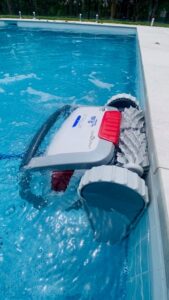
Robots are often labelled by coverage:
Tip: If you host often, have kids using sunscreen daily, or get a noticeable scum line, waterline cleaning is worth paying for.
Robots have internal filters, and filtration design impacts what ends up back in your pool.
Key terms:
Example:
If your pool gets windy grit or fine dust (common in many parts of Australia), you’ll want a robot with fine filtration options or dual-stage filtering, otherwise the cleaner might “look busy” but the pool still feels dusty.
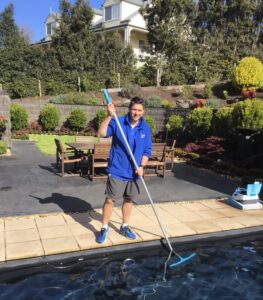
A robot that only “vacuums” may leave algae film behind. Good robots scrub as they move, loosening biofilm so it can be collected.
Brush types you may see:
If you’re buying for prevention (not just cleanup), prioritise active brushing + strong suction.
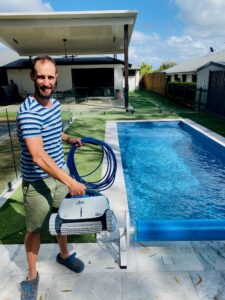
Cordless robots are improving quickly, but corded units still dominate for longer cleans and strong performance.
Corded robots
Cordless robots
Rule of thumb:
As mentioned by the blog, Cordless vs. Corded Robotic Pool Cleaners: Which Is Better for Your Pool?, choosing the best pool cleaner for your needs depends on a careful balance of preferences and requirements.
Robots are rated for pool size, but real-world performance depends on debris load and how often you run it.
Consider:
Example:
If you have trees nearby, you’ll want a robot with a bigger debris basket and strong pickup, otherwise you’ll be emptying it mid-clean.
Nice-to-have
Often overhyped
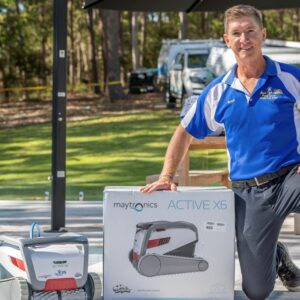
Use this as your final filter:
Even with the best guide, the “right” robot depends on your pool’s reality, surface type, leaf load, steps, and how often you want it running. A quick chat with a local technician can save you from buying a cleaner that’s underpowered, mismatched, or missing the features you’ll wish you had later.
If you’re in Australia and want practical advice tailored to your pool setup, Jim’s Pool Care technicians can help you compare options and choose a robotic pool cleaner that suits your pool and budget, without overcomplicating it. Book now!
We welcome your questions and feedback. We are here to help!
Robotic pool cleaners are self-contained electric cleaners that move around your pool using their own motor and suction system. They collect debris into an internal filter basket or cartridge, so they don’t rely on your pool pump to operate. Many models also scrub the pool surface with brushes to lift dirt and algae film for a more thorough clean.
For many homeowners, yes. Robotic pool cleaners can save time, reduce manual vacuuming, improve day-to-day cleanliness, and help maintain clearer water by removing debris before it breaks down. They typically have a higher upfront cost than suction cleaners, but the ease of use and cleaning performance can make them a smart long-term choice.
Many can. Some models are floor-only, while others clean floor + walls, and premium options also scrub the waterline to remove oils and grime (often caused by sunscreen and general pool use). If you dislike brushing or notice a visible scum line, choosing a model with waterline cleaning is usually worth it.
Most robotic pool cleaners work well on common pool surfaces, including fibreglass, concrete/pebblecrete, and tile. The key is matching the robot’s brushes and traction to your surface. For smooth surfaces, models with strong grip and effective brushing can help with wall climbing and coverage.
Choose a robotic pool cleaner rated for your pool length and total surface area. As a guide:
If your pool gets heavy leaf load, prioritise a larger debris basket and stronger pickup.
Look for features that improve real-world cleaning:
These features typically deliver better results than “nice-to-have” extras you may rarely use.
To keep robotic pool cleaners performing well:
Good maintenance helps extend the cleaner’s lifespan and keeps suction and scrubbing performance strong.
Not sure which robotic pool cleaner suits your pool? Book a call with Jim’s Pool Care and we’ll help you choose the right model for your pool size, surface, and debris load. Book now:
Get to know our studio before you commit to becoming a regular student. We can’t wait to meet you!