

“Well, This is definitely the best service I’ve ever encountered with a pool Cleaning company. Ricky was absolutely amazing. Was on time, polite and did a wonderful job. I would…

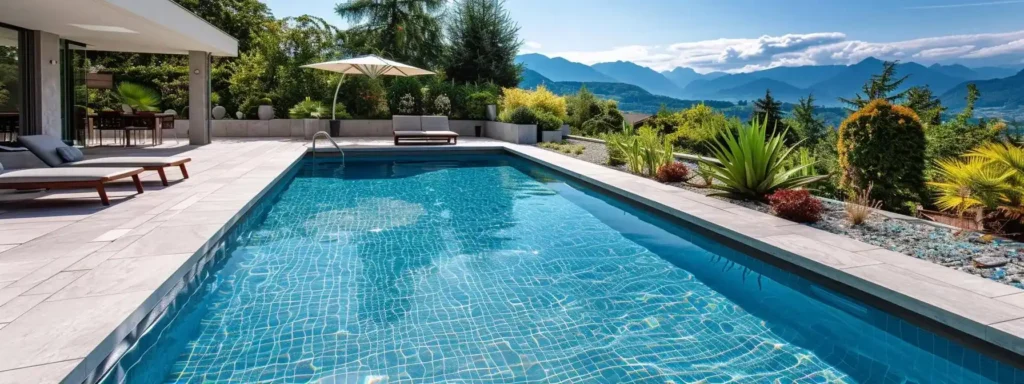
Energy-efficient pool equipment is one of the fastest ways Australian pool owners can cut running costs, without sacrificing water clarity, comfort, or swim time.

If your pool bills feel higher than they should, it’s usually not because you “have a pool.” It’s because one (or more) piece of equipment is doing more work than necessary: an oversized single-speed pump, an old-style heater, inefficient plumbing settings, or a cleaner that relies on the pump running at high speed for hours.
Below is a practical, money-focused guide to upgrading (or optimising) your setup, plus a few commonly confused terms explained with real-world examples.
“Energy consumption matters both to our environment and our economy.” – John Baldacci, an American politician
According to the blog, Understanding Power Consumption: How Much Electricity Does Your Pool Really Use?, most homeowners focus only on their pump when thinking about energy use which is a big mistake. Pool systems pack multiple power-hungry components that run day and night. For most homes, pool electricity use comes mainly from:
The good news: you don’t need to replace everything at once. Start with the items that deliver the biggest savings per dollar spent.
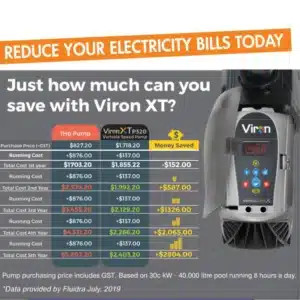
A pool pump is often the #1 energy user because it runs frequently. Older single-speed pumps run at one high speed, whether the pool needs it or not.
A variable-speed (VS) pump lets you run at lower speeds for longer, which is usually far cheaper than running fast for short periods.
Example:
If a pump draws 1.5 kW and runs for 4 hours, that’s 6 kWh (1.5 × 4).
If your electricity price is $0.30 per kWh, that run costs $1.80.
A VS pump running at a lower setting might draw 0.25–0.60 kW for longer—but still come out cheaper overall.
Important: “More turnover” isn’t automatically better. You can maintain water quality with the right runtime, speed, and chemical balance, especially when your filtration and cleaner are matched to your pool.
Many pool owners assume “a cleaner is a cleaner,” but the power cost can be wildly different.
Example:
A robotic cleaner might draw roughly 100–200 watts while operating. A pump-driven cleaner can indirectly force your pump to run harder/longer, which is where the bigger cost sneaks in.
Robotic cleaners also reduce load on your main filter because they capture debris in their own basket, helpful for both energy and maintenance. They are, according to the blog, Robotic vs. Suction Pool Cleaners: Which Is Best for Your Pool?, a smart choice if you want strong, easy and thorough cleaning.
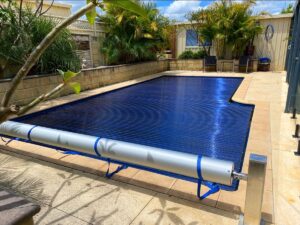
If you heat your pool, this is often your biggest potential saving area.
A quality pool cover is one of the simplest “energy upgrades” you can make. It reduces evaporation (the main cause of heat loss) and helps the heater do less work.
You’ll see COP when comparing heat pumps. COP is essentially “how many units of heat you get for each unit of electricity used.”
Example:
A heat pump with a higher COP can provide the same warmth using less electricity than a lower-COP model, especially in the right climate conditions and with a cover to reduce losses.
If you already have heating, ask whether your settings match your actual usage (weekend swimming vs daily training makes a big difference).
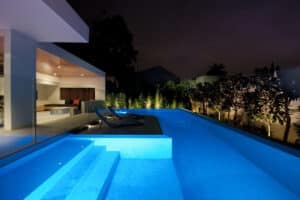
LED lights use fewer watts to produce the same (or higher) brightness than older halogen-style pool lights. Add a timer so the lights aren’t left on all night.
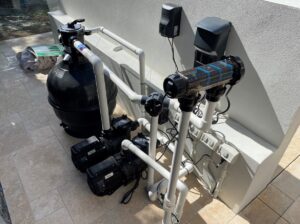
High resistance means the pump works harder to achieve the same flow. Small improvements can reduce pressure and save money:
Also: bigger isn’t always better. An oversized pump can waste power and create unnecessary turbulence and wear.
“Conservation of energy also protects our environment.” – Lamar S Smith, American politician and lobbyist
| Equipment Area | “Less Efficient” Setup | Energy-Efficient Alternative | Why It Saves Money | Practical Example |
|---|---|---|---|---|
| Pump | Single-speed pump | Variable-speed pump + lower-speed schedule | Lower power draw for daily filtration | Run longer at low speed instead of short bursts on high |
| Cleaning | Suction/pressure cleaner that relies on pump | Robotic pool cleaner | Cleaner runs independently, pump can run slower | Cleaner uses low watts; pump doesn’t need high speed |
| Heating | Heating without a cover | Add a pool cover + efficient heating strategy | Reduces evaporation and heat loss | Cover at night can significantly reduce heater workload |
| Lighting | Older halogen-style pool lights | LED pool lights + timer | Same brightness with less power | LED + timer prevents “forgotten” overnight usage |
| Filtration Health | Dirty/blocked filter, high pressure | Clean/serviced filter, balanced settings | Less resistance = less work for the pump | Lower pressure often means lower energy use |
Tip: Your actual savings depend on pool size, hours, tariff, and equipment condition, use the table to prioritise upgrades, then fine-tune with real numbers from your bills.
Example:
0.8 kW pump × 6 hours/day = 4.8 kWh/day
4.8 × $0.30 = $1.44/day ≈ $43/month
Now compare that with a lower-speed schedule or new equipment’s estimated draw.
If you’re not sure which upgrades will actually pay off or if you want help choosing the right energy-efficient pool equipment Jim’s Pool Care technicians can help you match equipment (like pumps and robotic cleaners) to your pool size, plumbing, and usage, then set it up so you’re not spending more than you need to on electricity. Book now here.
We welcome your questions and feedback. We are here to help!
Energy-efficient pool equipment is designed to use less electricity while still keeping your pool clean, clear, and comfortable. Common examples include variable-speed pool pumps, robotic pool cleaners, LED pool lights, and high-efficiency heat pumps. Choosing the right equipment and settings can reduce pool running costs without reducing water quality.
Yes, variable-speed pool pumps are often one of the best upgrades for Australian homeowners. Unlike single-speed pumps that run at full power all the time, variable-speed pumps can run at lower speeds for daily filtration, which typically uses far less energy and can lower your electricity bill over time.
The right pool pump size depends on your pool volume, plumbing setup, filter type, and how you use your pool. Oversized pumps can waste energy and increase wear on equipment. A pool professional can check your system’s flow and pressure to recommend an efficient pump size and an energy-saving run schedule.
In most cases, yes. Robotic pool cleaners run independently from your pool pump and usually use less power. Suction or pressure cleaners often rely on the pool pump (and sometimes require higher pump speeds), which can increase electricity use. Switching to a robotic cleaner can help reduce pump runtime and overall energy consumption.
There’s no one-size-fits-all answer, pump runtime depends on water temperature, pool use, weather, debris levels, and your equipment. A common approach is to run longer at a lower speed if you have a variable-speed pump. The goal is efficient circulation and filtration (plus skimming) without running the pump harder than needed.
The most cost-effective first step is reducing heat loss with a quality pool cover, because evaporation is a major cause of heat loss. For heating equipment, efficient options can include a heat pump (especially when paired with a cover and smart temperature settings). The “best” choice depends on climate, swim season, and how often you heat the pool.
You can often lower pool running costs by optimising what you already have:
These small changes can improve performance and cut electricity use.
Want your pool running efficiently year-round? Book a call with Jim’s Pool Care to get practical advice on equipment, settings, and maintenance that can reduce energy use.
Get to know our studio before you commit to becoming a regular student. We can’t wait to meet you!