

“Well, This is definitely the best service I’ve ever encountered with a pool Cleaning company. Ricky was absolutely amazing. Was on time, polite and did a wonderful job. I would…

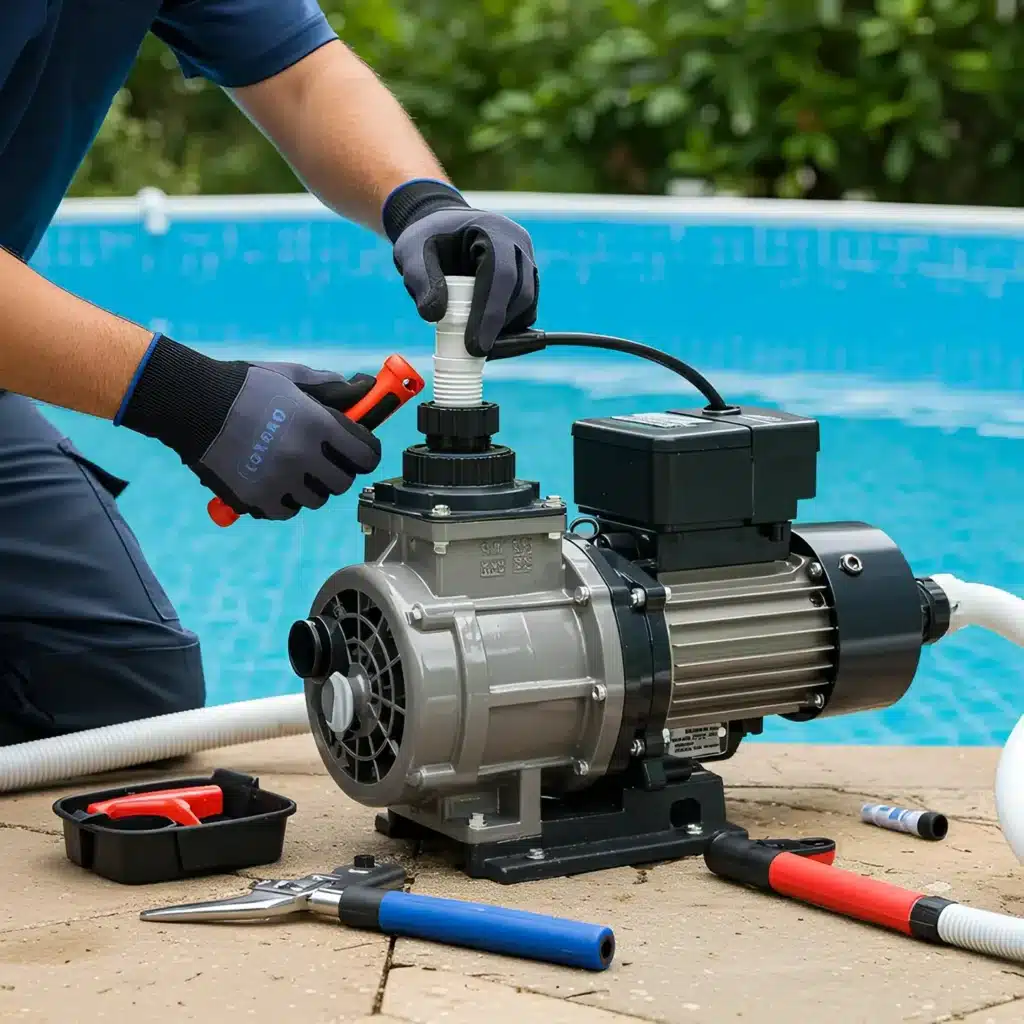
Regular pool pump repair maintains water circulation, prevents chemical imbalance, and reduces long-term costs by keeping your pump’s motor, impeller, and seals operating effectively. When the pump moves water reliably, it prevents stagnant zones where algae and bacteria flourish while reducing strain on filters and heaters. This guide explains how pump condition affects water quality, outlines warning signs to watch for, and presents practical maintenance steps for Australian pool owners.

A properly functioning pump draws water from the skimmer, pushes it through the filter, and returns cleaned water evenly across the pool. According to a blog by Swimming Pool, clogged baskets make your pump work harder to try to cycle the water. This can decrease the life and stress the seals in your pump. This circulation maximises particulate removal and keeps disinfectant levels uniform throughout the pool. When the pump operates correctly, it prevents localised stagnation that encourages algae growth and maintains optimal pressure ranges for filters.
Prompt repair corrects uneven flow and filtration gaps that allow contaminants to accumulate. Faulty seals or a clogged impeller reduce turnover and create areas where chlorine concentration falls below effective levels, enabling bacterial growth. Mechanical repair paired with accurate water testing restores both circulation and sanitiser distribution, reducing recurring green pool incidents.
“If you fail to prepare, you’re prepared to fail.” – Mark Spitz, former competitive swimmer and nine-time Olympic champion
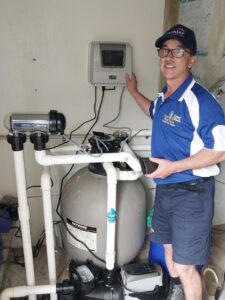
Repairing worn bearings, replacing failing seals, and clearing impellers restores hydraulic efficiency, which drops motor load and power draw. Modern variable-speed pumps offer 30 to 70 percent energy savings compared with older single-speed models when maintained correctly. Regular servicing reduces monthly electricity bills and delays costly motor replacements, producing measurable operating cost benefits.
Recognising early symptoms lets owners address faults before they escalate. According to a blog by Intec America, although the pool water may look clean and sparkling at times, this may not always be the case. Unhealthy or unsightly water may be due to chemical, foul odor, bad water taste, etc. Simple checks on noise, leaks, flow, and pressure can reveal common failures quickly. Start by checking the pump basket and skimmer for blockages, monitor the pressure gauge against the normal operating range, and listen for unusual grinding, screeching, or humming sounds near the motor.
Worn bearings produce grinding or rumbling noise and require professional inspection. Mechanical seal failure causes visible leaks at the shaft area and needs immediate attention. Clogged impellers result in low flow and poor return jets, which may need pump teardown if basket cleaning doesn’t resolve the issue.
Rising energy use can indicate a clogged impeller, failing motor bearings, or inefficient operation. Comparing energy use trends and operating hours provides a practical diagnostic cue that something needs attention. Sustained unexplained increases warrant professional evaluation, as early repair often reduces energy bills and prevents more expensive component replacement.
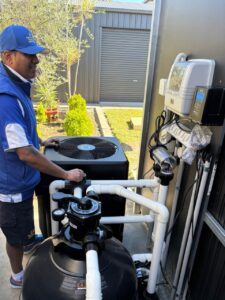
Neglecting pump repair produces cascading equipment strain. Poor circulation undermines filtration, which forces heaters and chlorinators to work harder, increasing failure rates across systems. Reduced flow causes filter overload and poor sanitation, leading to increased chemical costs and potential filter replacement. Pump seal leaks create water loss and electrical short risks, whilst motor failure results in complete circulation loss and high replacement expenses.
Poor circulation lowers disinfectant contact time, enabling pathogens and algal colonies to develop. Inconsistent sanitiser distribution means some areas never reach effective chlorine levels, creating pockets of contamination.
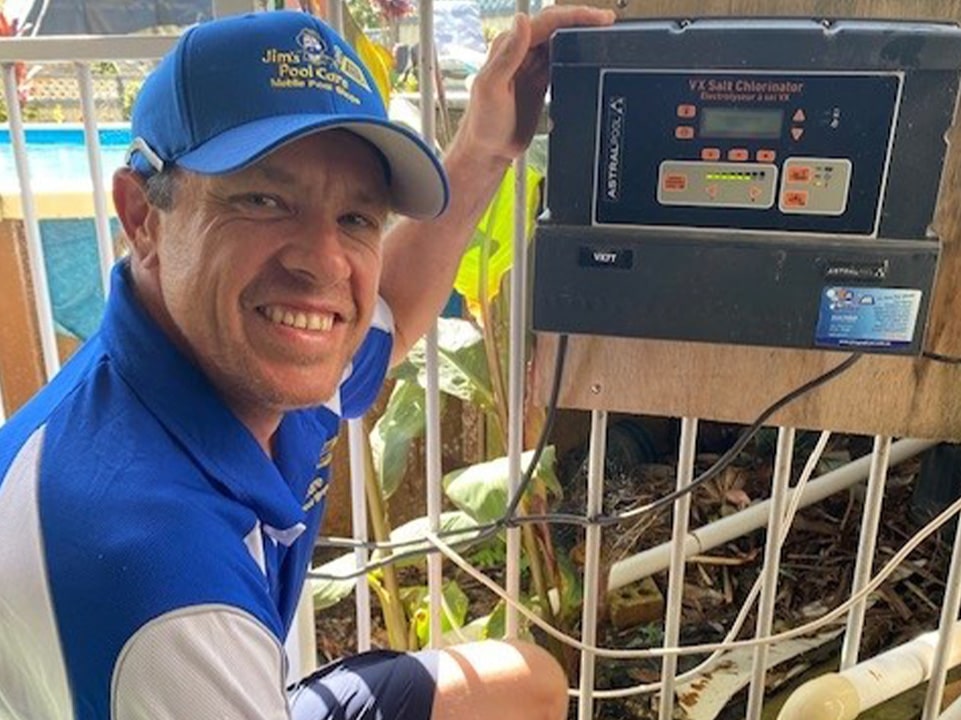
Hydraulic imbalances force filters to trap more debris and raise pressure, which can accelerate filter media wear and cause heater overheating. Salt chlorinators and chemical feeders rely on steady flow rates, and fluctuations can lead to malfunction or imprecise dosing.
Emergency repairs and untimely replacements typically cost significantly more than planned maintenance, including call-out fees and expedited parts. Preventative repairs extend pump life and smooth capital planning by avoiding sudden failures. A modest annual servicing budget usually offsets the risk of higher emergency expenses and keeps energy costs lower.
“Water is life , and clean water means health.” – Audrey Hepburn, British actress
Regular maintenance extends pump lifespan, improves energy efficiency, and maintains water clarity by keeping seals, bearings, and impellers in good working order. Single-speed pumps have higher continuous energy consumption, whilst variable-speed pumps deliver 30 to 70 percent lower energy use when optimised. Routine care extends pump life and reduces failures significantly.
Replacing worn seals, lubricating bearings, and correcting hydraulic issues prevents accelerated wear and avoids secondary damage. Regular inspection identifies small faults early and replaces inexpensive parts before they cause major failures. A maintenance timeline that includes seasonal checks, seal replacements, and motor assessments significantly prolongs operational life.
Cleaning flow paths, repairing leaks, and ensuring correct pump sizing reduce wasted energy by restoring designed hydraulic performance. Variable-speed operation combined with good mechanical condition yields the largest savings. Tracking pre- and post-service energy usage quantifies improvements and informs upgrade decisions.
Consistent pool pump performance ensures full turnover and uniform chemical distribution, which prevents localised contamination and recurring green pool episodes. Mechanical reliability lowers the need for shock dosing and frequent chemical adjustments, improving swimmer comfort and reducing costs.
Book a call now with Jim’s Pool Care and restore optimal pump performance with expert repairs, state-of-the-art water testing, and mobile service backed by a 100% workmanship guarantee.
We welcome your questions and feedback. We are here to help!
Pool pumps should be serviced at least once per year, with seasonal checks recommended for optimal performance. Regular inspection of seals, bearings, and impellers prevents minor issues from becoming costly repairs and extends the lifespan of your equipment.
Common warning signs include grinding or humming noises, visible leaks around the pump shaft, reduced water flow from return jets, and unexplained increases in energy bills. If you notice any of these symptoms, contact a professional technician for diagnosis.
Basic maintenance like cleaning the pump basket and checking for blockages can be done by homeowners. However, electrical issues, motor problems, and seal replacements should be handled by qualified professionals to avoid safety risks and warranty concerns.
Repair costs vary depending on the fault, but routine maintenance is significantly cheaper than emergency repairs or premature replacement. Investing in scheduled servicing typically saves money by preventing major failures and reducing energy consumption.
Yes, a faulty pump reduces water circulation and filtration efficiency, creating stagnant zones where algae and bacteria thrive. Poor circulation also prevents proper chemical distribution, leading to unsafe swimming conditions and increased chemical costs.
With regular maintenance and timely repairs, pool pumps can last 8 to 12 years or longer. Neglecting servicing significantly shortens pump lifespan and increases the likelihood of sudden, expensive failures.
Variable-speed pumps deliver 30 to 70 percent energy savings compared to single-speed models when properly maintained. Combined with regular servicing, they provide substantial long-term savings on electricity bills and offer better circulation control.
Consider replacement if your pump requires frequent repairs, is over 10 years old, or if repair costs exceed 50 percent of a new pump’s price. A professional assessment can help determine the most cost-effective option for your situation.
Trust Jim’s Pool Care for all your pool maintenance needs. Book your service online today
Get to know our studio before you commit to becoming a regular student. We can’t wait to meet you!