

“Well, This is definitely the best service I’ve ever encountered with a pool Cleaning company. Ricky was absolutely amazing. Was on time, polite and did a wonderful job. I would…


When considering the environmental impact of saltwater vs chlorine pools, it’s important to look beyond just water clarity and maintenance routines. While both systems aim to keep swimming pools clean and safe, their ecological footprints differ in meaningful ways. For environmentally conscious homeowners in Australia, understanding these differences can help guide more sustainable pool care choices.
Let’s explore the key environmental considerations, including chemical usage, water conservation, energy consumption, and long-term sustainability, to help you make an informed decision for your backyard oasis.
“Being green is more than just buying ‘eco’. It is an unshakable commitment to a sustainable lifestyle.” – Jennifer Nini, Founding Editor of Eco Warrior Princess
Before diving into their environmental implications, let’s briefly outline how each system works:

| Factor | Saltwater Pools | Chlorine Pools |
| Chemical Usage | Produces chlorine on-site using salt; fewer packaged chemicals required and heavy liquid drums | Requires regular addition of chemical chlorine, which can affect local ecosystems if not handled properly |
| Water Quality | Gentler on skin and eyes; lower risk of harmful chloramine buildup | Higher chance of chloramines forming, which can cause irritation and release harmful gases |
| Water Waste | May lead to issues when draining or backwashing due to high salinity affecting plants and soil | Often requires more frequent draining / replacement of water due to chemical build-up like high stabiliser levels |
| Energy Consumption | Chlorinator systems use electricity continuously when the pump is running | Energy demand comes mostly from the pump |
| Impact on Surrounding Landscape | Saltwater splash-out can damage plants, paving, and nearby soil | Chlorine, if diluted, is less damaging to landscaping but still requires careful handling |
| Long-term Equipment Wear | Salt can accelerate corrosion of metal fixtures and pool surrounds | Chlorine is corrosive too but generally causes less rapid damage |
| Storage & Handling | Safer; no need to store hazardous chlorine chemicals | Requires careful storage of volatile chemicals |
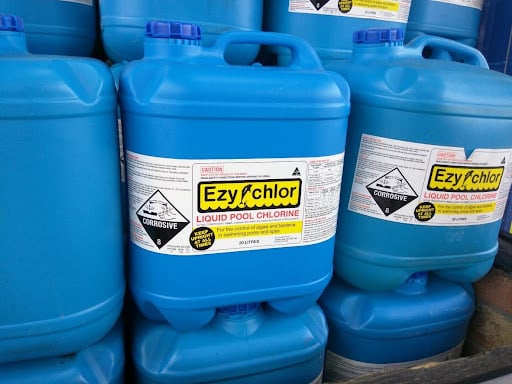
One of the biggest environmental concerns with traditional chlorine pools is the use and disposal of harsh chemicals. In fact, according to a blog by Reflections, draining and discharging chemically-treated water, when done incorrectly, can cause problems to waterways.
Chlorine tablets, granulated chlorine and liquids can be hazardous if spilled, inhaled, or washed into stormwater drains. Over-chlorination can also lead to an accumulation of chloramines—byproducts that not only irritate eyes and skin but can be harmful when released into the air or water systems.
Saltwater pools, while still producing chlorine, often maintain a more stable and lower level of it, resulting in a gentler chemical balance. This can reduce the frequency of adding other chemicals like algaecides, pH balancers, or stabilisers. However, this doesn’t mean saltwater systems are chemical-free—they still need monitoring and adjustment, just with fewer packaged products overall.
When it comes time to partially draining or backwashing your pool, saltwater systems raise unique environmental concerns. Saltwater is not easily absorbed into soil and can lead to increased salinity levels in your garden, which harms plant life and affects groundwater quality. Draining saltwater into storm drains or garden beds can contribute to long-term ecological degradation, especially in areas with already dry or saline-prone soils.
Chlorine water, while also potentially hazardous, dissipates more quickly when exposed to air and sunlight. With proper neutralisation, small amounts of chlorine pool water can be disposed of with fewer lasting environmental effects. Still, both systems require thoughtful management when disposing of water to avoid harming local ecosystems.
Saltwater pools rely on a chlorinator, which is an electronic device that runs on timers alongside the pool’s pump. While modern chlorinators are energy efficient, they still consume electricity daily. This energy use contributes to the overall carbon footprint of a saltwater pool, especially if powered by non-renewable energy sources.
Traditional chlorine pools may have a slight edge here—without the need for a chlorinator, they use less electricity overall. However, the energy used to manufacture, package, and transport chlorine products can offset that benefit. From a sustainability point of view, either system can be made greener by using solar power for pumps and chlorinators or investing in energy-efficient pool equipment.
“There’s so many simple things that can be done to change our carbon footprint, and to reduce our carbon footprint.” – John Flansburgh, an American musician

Saltwater is inherently corrosive. While it’s not at ocean-level salinity, the salt in a pool can still accelerate wear on ladders, handrails, heating elements, and other metal components. Even pool tiles and surrounds may degrade more quickly due to salt exposure. This means homeowners may need to replace parts more often, leading to higher material consumption and waste over time.
Chlorine pools are not free from corrosive effects either—chemical exposure can still impact equipment and surfaces—but these issues generally develop more slowly, especially when chlorine levels are carefully managed.
No matter which system you choose, there are smart ways to reduce your pool’s environmental impact:
So, which is better for the environment—saltwater or chlorine pools? The answer depends on how you manage and maintain the system.
For Australian homeowners weighing their options, it’s wise to consult with a trusted pool technician who understands local conditions, environmental regulations, and can recommend the most sustainable setup for your lifestyle and location.
If you’re unsure which system will suit your pool best, a pool care expert can assess your current setup, discuss environmentally conscious options, and provide guidance on how to lower your pool’s ecological footprint—all while ensuring your water stays crystal clear.
👉 Book now or schedule a call with your local Jim’s Pool Care technician to explore pool solutions tailored to your needs.
We welcome your questions and feedback. We are here to help!
Saltwater pools use a salt chlorinator to convert salt into chlorine, while traditional chlorine pools rely on manually added chlorine chemicals. Both systems sanitise pool water but differ in their chemical handling, maintenance, and environmental impact.
Saltwater pools are generally more eco-friendly due to reduced chemical use and gentler water quality. However, they can negatively impact soil and plants if saltwater is drained improperly. Proper management is key to minimising environmental impact for both systems.
Yes, saltwater pools still use chlorine to sanitise the water. The difference is that the chlorine is generated naturally from salt through a process called electrolysis, which typically results in lower and more consistent chlorine levels.
No, draining saltwater into your garden or local stormwater system is not recommended. The salt content can damage plants, degrade soil quality, and contaminate groundwater. Always follow local council regulations for pool water disposal.
Saltwater pools often have lower ongoing chemical costs, but the upfront installation of a salt chlorinator can be higher. Chlorine pools have lower initial costs but require more frequent chemical purchases and handling over time.
Yes, saltwater can be corrosive to certain metals, pool tiles, and paved areas if not properly maintained. Using salt-friendly materials and regular inspections can help extend equipment life and reduce environmental waste from premature replacements.
Saltwater pools typically use more electricity because the salt chlorinator runs alongside the pool pump. However, energy-efficient equipment and solar-powered systems can reduce this impact and make both pool types more sustainable.
To reduce your pool’s environmental impact, consider installing a pool cover, using energy-efficient pumps, regularly checking chemical levels, and hiring a professional technician for sustainable maintenance. Whether you choose saltwater or chlorine, responsible care is essential.
Wondering which pool system is right for your home? Book a service now with Jim’s Pool Care expert and get tailored advice for a greener, cleaner pool.
Get to know our studio before you commit to becoming a regular student. We can’t wait to meet you!