Regular pool filter maintenance is one of the most important things you can do to keep your pool clean, safe, and swim-ready. Yet it’s also where many pool owners run into problems such as clogged filters, pressure fluctuations, cloudy water that can quietly undermine your pool’s performance if left unchecked. This guide walks you through how to spot common filter issues, how to fix them, and when it’s time to call in a professional.

Common Issues That Arise During Filter Maintenance
Pool filters work hard, and over time, that effort shows. The most frequent issues pool owners face include filter clogging, irregular pressure readings, and declining water quality. These problems rarely appear out of nowhere, they build gradually when filters aren’t cleaned often enough or when water chemistry falls out of balance.
An unbalanced pool can accelerate filter wear, cause scale build-up, and reduce the effectiveness of your filtration system. Staying on top of both chemical levels and cleaning schedules is the first line of defence.
Identifying Filter Problems Early
The earlier you spot a problem, the easier (and cheaper) it is to fix. Here are the key warning signs to watch for:
- Reduced water flow — If the return jets feel weaker than usual, there’s likely a blockage somewhere in the filter.
- Rising pressure gauge readings — A pressure gauge reading significantly above the normal range is a reliable sign that your filter is clogged and needs attention.
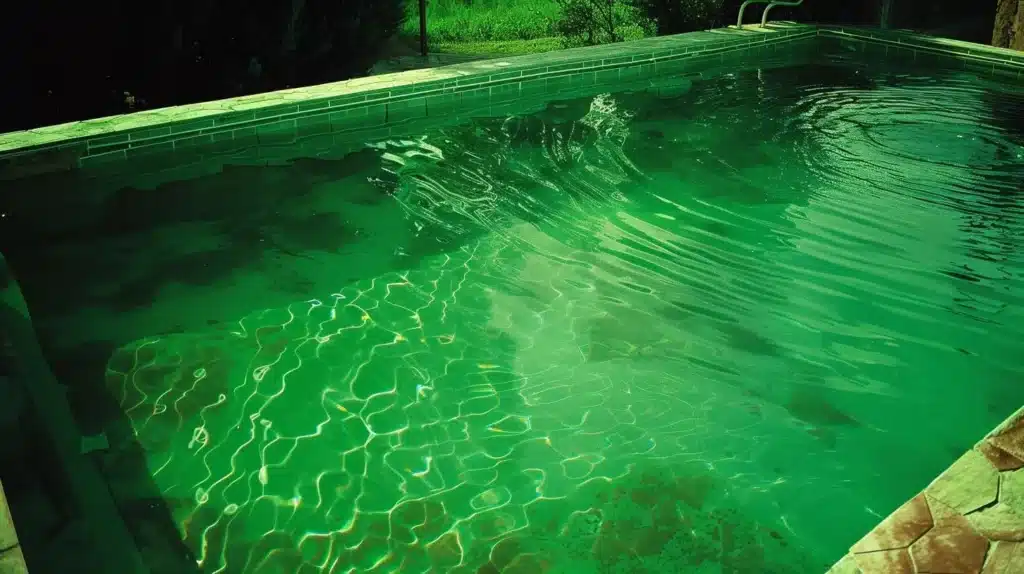
- Cloudy or dull water — When filtration is compromised, your pool loses its clarity. Cloudy water is often the most visible symptom of a filter that isn’t doing its job.
- Unusual noises — Gurgling, rattling, or grinding sounds from your filter system can indicate air leaks, debris, or mechanical issues.
Regularly checking your pressure gauge and doing a visual inspection of your filter housing are two simple habits that can prevent small issues from becoming expensive repairs.
“It doesn’t pay to ignore warnings. Even when they don’t make sense.” – Debra Doyle, was an American author
Pressure Issues: High vs. Low
Pressure problems fall into two categories, and each points to a different cause:
- High pressure typically means the filter is clogged with debris and needs to be cleaned or backwashed.
- Low pressure may indicate a problem with the pool pump, a suction-side air leak, or a blockage before the filter.
Always compare your gauge readings against the manufacturer’s recommended operating range. If readings are consistently outside that range, don’t ignore it, investigate promptly to avoid putting unnecessary strain on your equipment.
Cleaning Techniques by Filter Type
Not all filters are cleaned the same way. Using the wrong technique can damage your equipment or reduce its effectiveness. Here’s a quick reference:
| Filter Type | Cleaning Technique | Frequency |
|---|---|---|
| Cartridge Filters | Remove and rinse with a hose | Every 4-6 weeks |
| Sand Filters | Backwash and rinse | Every 4-6 weeks |
| DE Filters | Clean with a DE filter cleaner | Every 4-6 weeks |
Regular cleaning extends the lifespan of your filter and keeps your filtration system running at peak efficiency. If you’re unsure which type of filter you have, check your pool equipment manual or consult a local pool technician.
Repair or Replace? Knowing the Difference
Sometimes cleaning isn’t enough. Knowing when to replace a filter, rather than continuing to repair it, can save you money and frustration in the long run.
Consider replacement if you notice:
- Visible damage such as cracks, tears, or warping in the filter housing or cartridge
- Persistent poor performance despite regular cleaning — if water stays cloudy no matter what you do, the filter may simply be past its useful life
- Increased cleaning frequency — needing to clean the filter far more often than the recommended schedule suggests it’s losing its ability to hold debris effectively
As a general rule: if the cost of repairs is approaching the price of a new unit, replacement is the smarter investment. A new filter also brings improved filtration efficiency and better overall performance.
“The design of each element should be thought out in order to be easy to make and easy to repair.” – Leo Fender, was an American inventor and founder of the Fender Musical Instruments Corporation
When to Call a Professional
DIY maintenance goes a long way, but there are situations where professional help is the right call:
- The filter system has multiple issues happening at once and diagnosis is unclear
- You’re dealing with recurring problems that cleaning alone doesn’t resolve
- You simply don’t have the time or confidence to carry out maintenance safely and correctly
A qualified pool technician brings the tools, training, and experience to diagnose issues accurately the first time, protecting your equipment and your investment.
Local, owner-operated technicians are particularly valuable here. They know the conditions in your area, they’re accountable to their community, and they can respond quickly when something goes wrong. Look for a mobile pool service that carries equipment and parts on the road, it means faster fixes and fewer call-backs.
Keeping Your Filter in Top Shape
Staying on top of pool filter maintenance doesn’t have to be complicated. Check your pressure gauge regularly, follow the right cleaning technique for your filter type, keep your water chemistry balanced, and act quickly when something seems off.
If you’d rather leave it to the professionals, or if you’ve got a problem that’s beyond a standard clean, book a service with a trusted local pool care technician. A well-maintained filter means cleaner water, lower running costs, and a pool that’s always ready when you are.
Book Now or get in touch with Jim’s Pool Care to schedule a call with a local pool care expert today.
Frequently Asked Questions
Most pool filters should be cleaned every 4–6 weeks. Cartridge filters need rinsing with a hose, sand filters require backwashing, and DE filters need a dedicated cleaner. Heavy pool usage, rainfall, or nearby trees may require more frequent cleaning.
The most common signs are reduced water flow from the return jets, rising pressure gauge readings, and cloudy or dull pool water. If you notice any of these, clean your filter promptly to avoid further strain on the system.
A reading 8–10 psi above your normal baseline usually means the filter is clogged. Water is being forced through a blockage, reducing flow and straining your pump. Clean or backwash the filter as soon as possible.
Low pressure typically points to an air leak, blocked skimmer basket, or a malfunctioning pump. A cracked or damaged filter can also be the culprit. If cleaning doesn’t resolve it, have a pool technician inspect the system.
Each filter type works differently and requires a specific cleaning method:
- Cartridge filters trap debris in a pleated cartridge and are cleaned by rinsing with a hose.
- Sand filters push water through a sand bed and are cleaned via backwashing.
- DE filters offer the finest filtration and are cleaned using a DE filter cleaner.
All three should be cleaned every 4–6 weeks.
Replace your filter if you notice visible cracks or tears, if water stays cloudy despite regular cleaning, or if you’re cleaning far more frequently than usual. If repair costs are close to the price of a new unit, replacement is the smarter option.
Yes. Imbalanced water, particularly high calcium hardness or incorrect pH, can cause scale build-up inside the filter and shorten its lifespan. Maintaining correct water chemistry is just as important as regular cleaning.
Call a professional if problems keep recurring after cleaning, if the system has multiple issues that are hard to diagnose, or if you’re not confident carrying out maintenance safely. A local pool technician can assess the system accurately and help prevent costly damage.
Sometimes the issue isn’t obvious and that’s exactly when a professional assessment makes all the difference. Our local, mobile pool technicians at Jim’s Pool Care can diagnose and fix the problem fast, without the guesswork. Book a service today!